
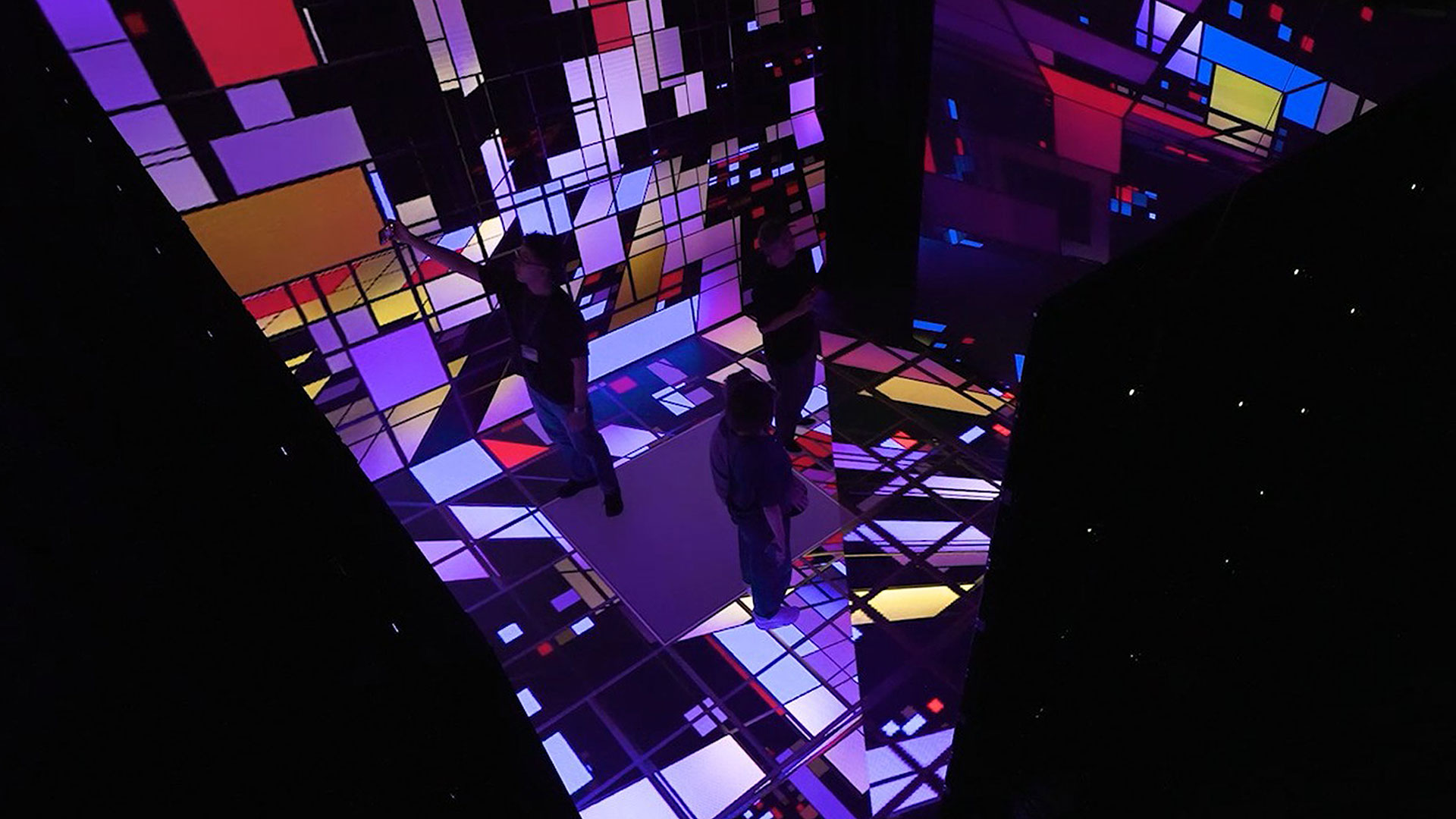

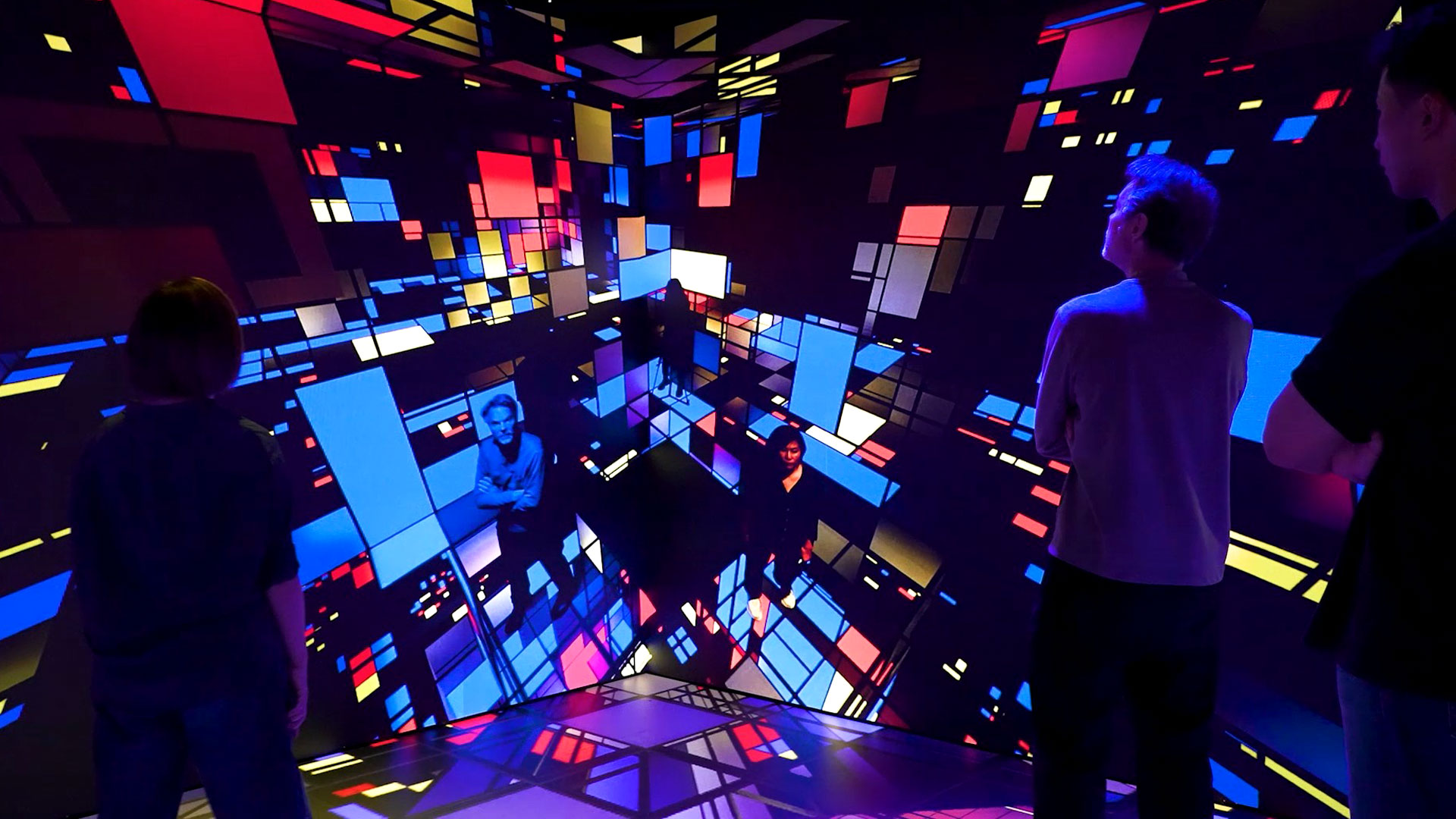
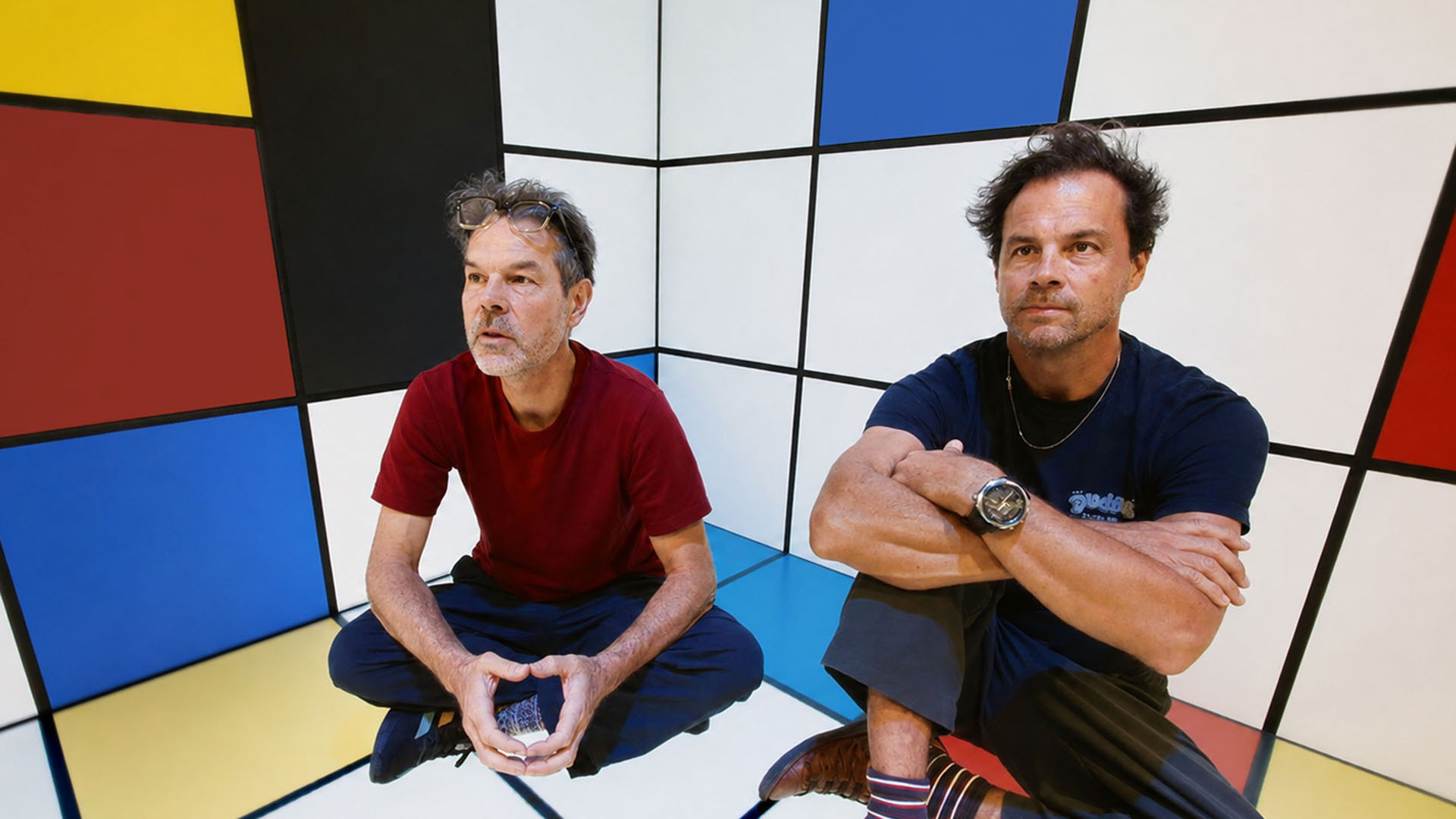
Interview and making-of of the installation
Discover the interview with Christophe and Olivier Defaye as well as behind-the-scenes footage of the installation.
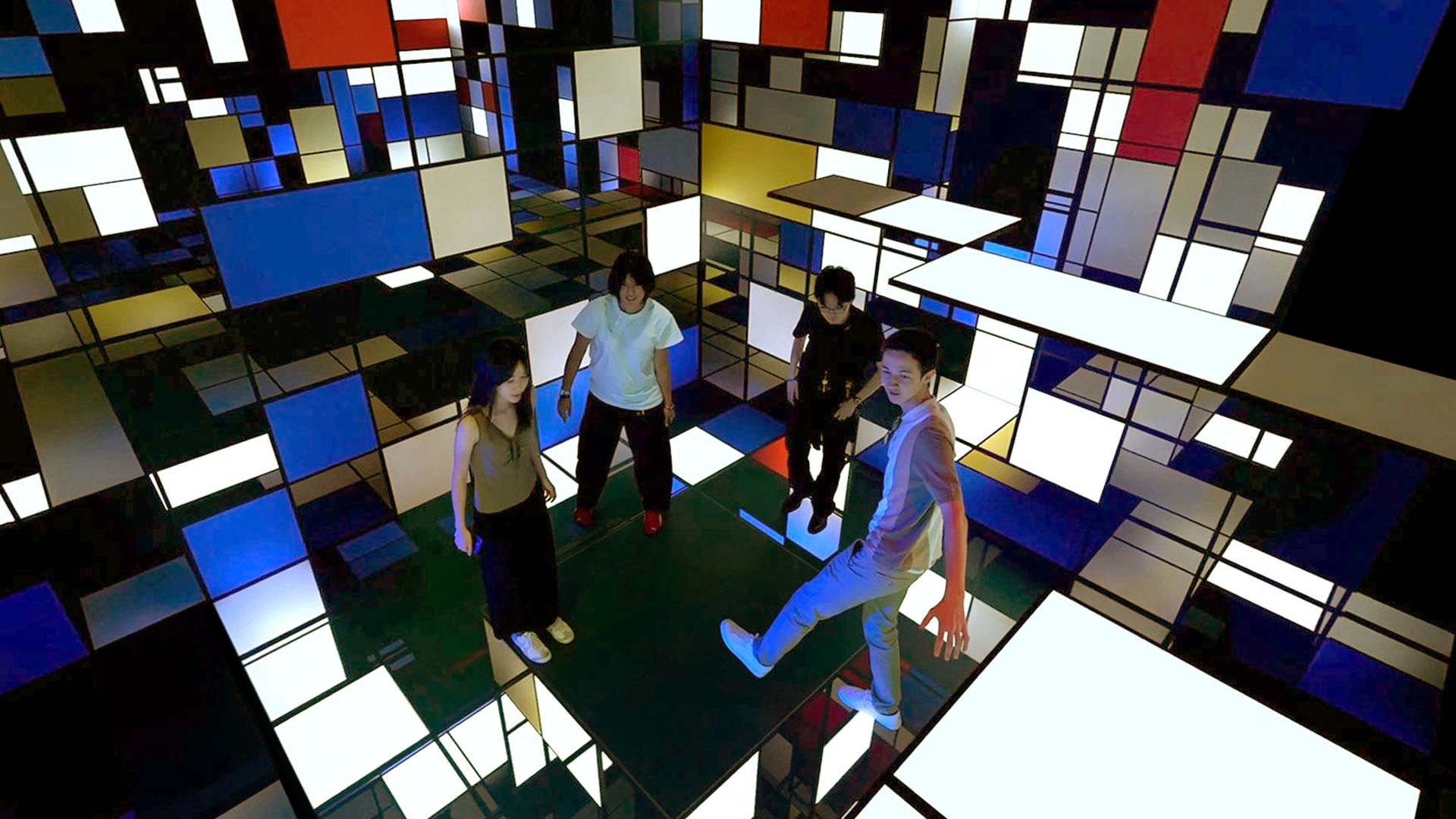
Video memento of the installation
Discover the video that visitors receive at the end of their experience of the installation.
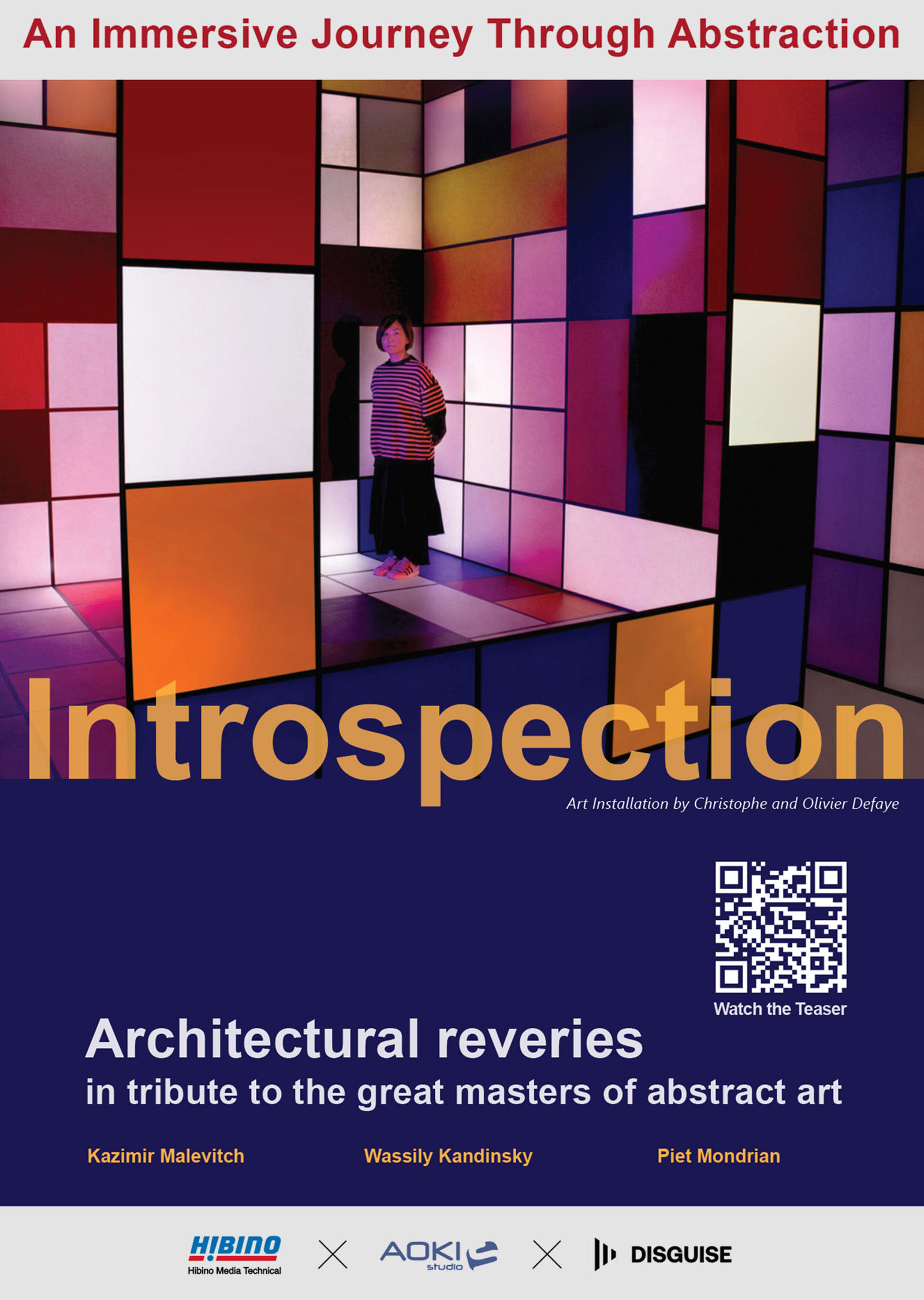
Artistic content
A first installation paying tribute to three great masters of abstract painting (Kazimir Malevich, Wassily Kandinsky and Piet Mondrian) took place in Tokyo in August 2026. Forthcoming exhibitions will feature many other major figures of abstract art.
Black Square in White Space
See the preview of the installation in homage to Kazimir Malevich...
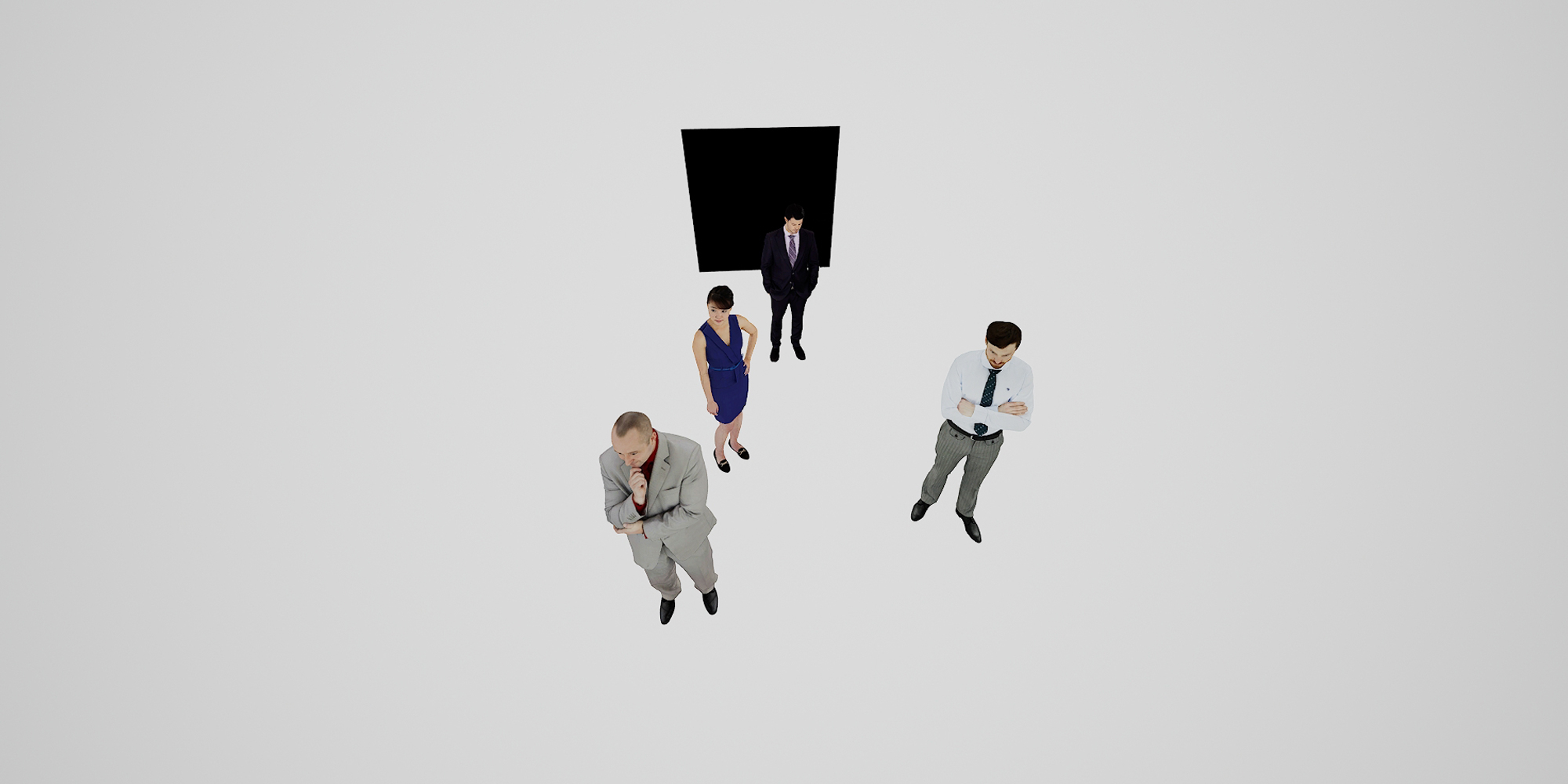
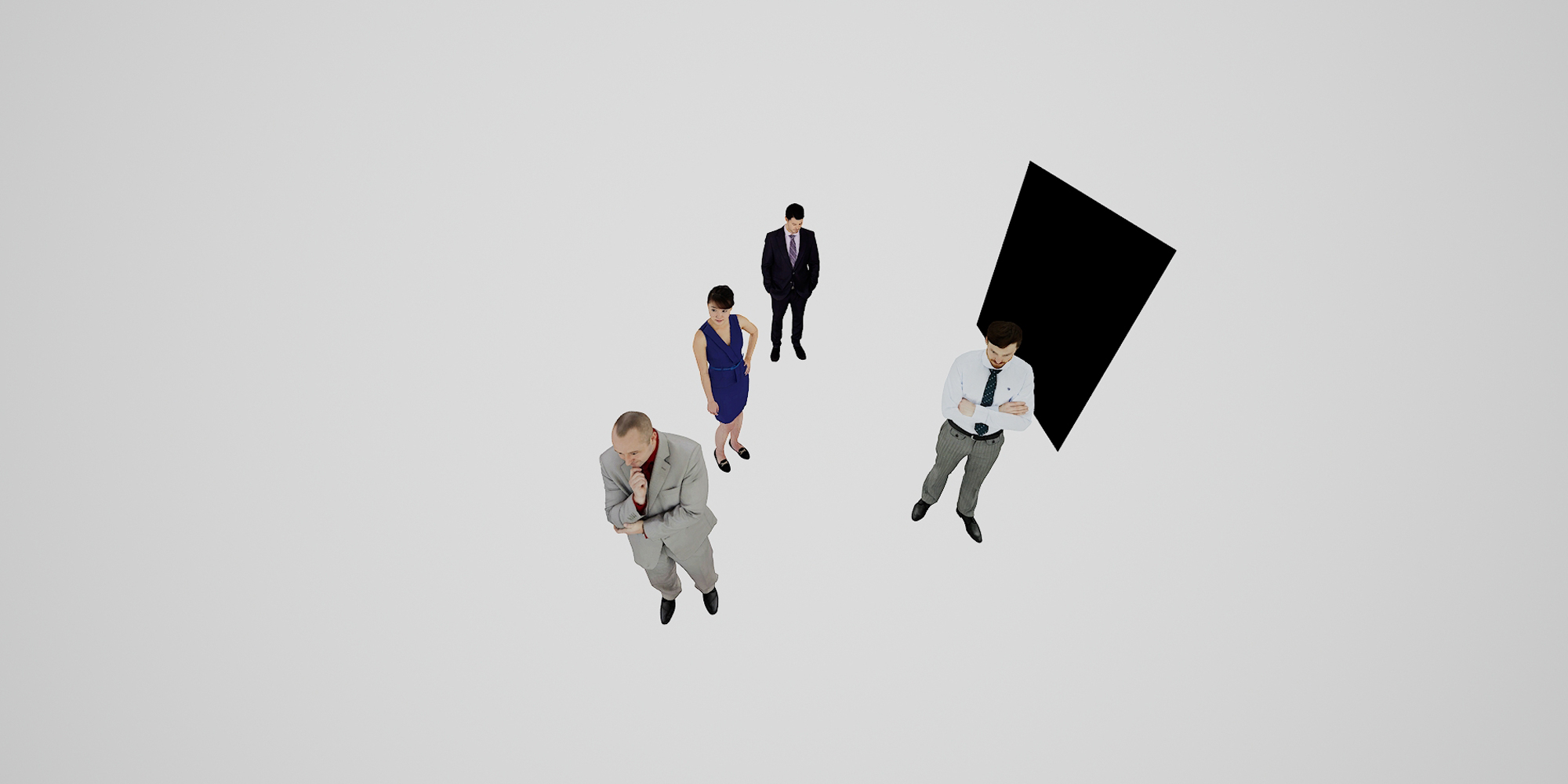

Black Square in White Space is an installation in homage to Black Square on White Background, the iconic work of abstract art created by the Russian painter Kazimir Malevich in 1915. Through its radical simplicity, the painting marked a decisive break in the history of art, freeing painting from the representation of the visible world.
In the installation, a black square orbiting within a white space revolves around the visitor. The square disappears when it moves behind the visitor and reappears when it moves in front of them. This effect blurs the boundary between projected image and physical presence, disrupts spatial reference points, and invites visitors to question their own position: Am I standing in front of an image projected onto a screen, or am I myself inside the screen?
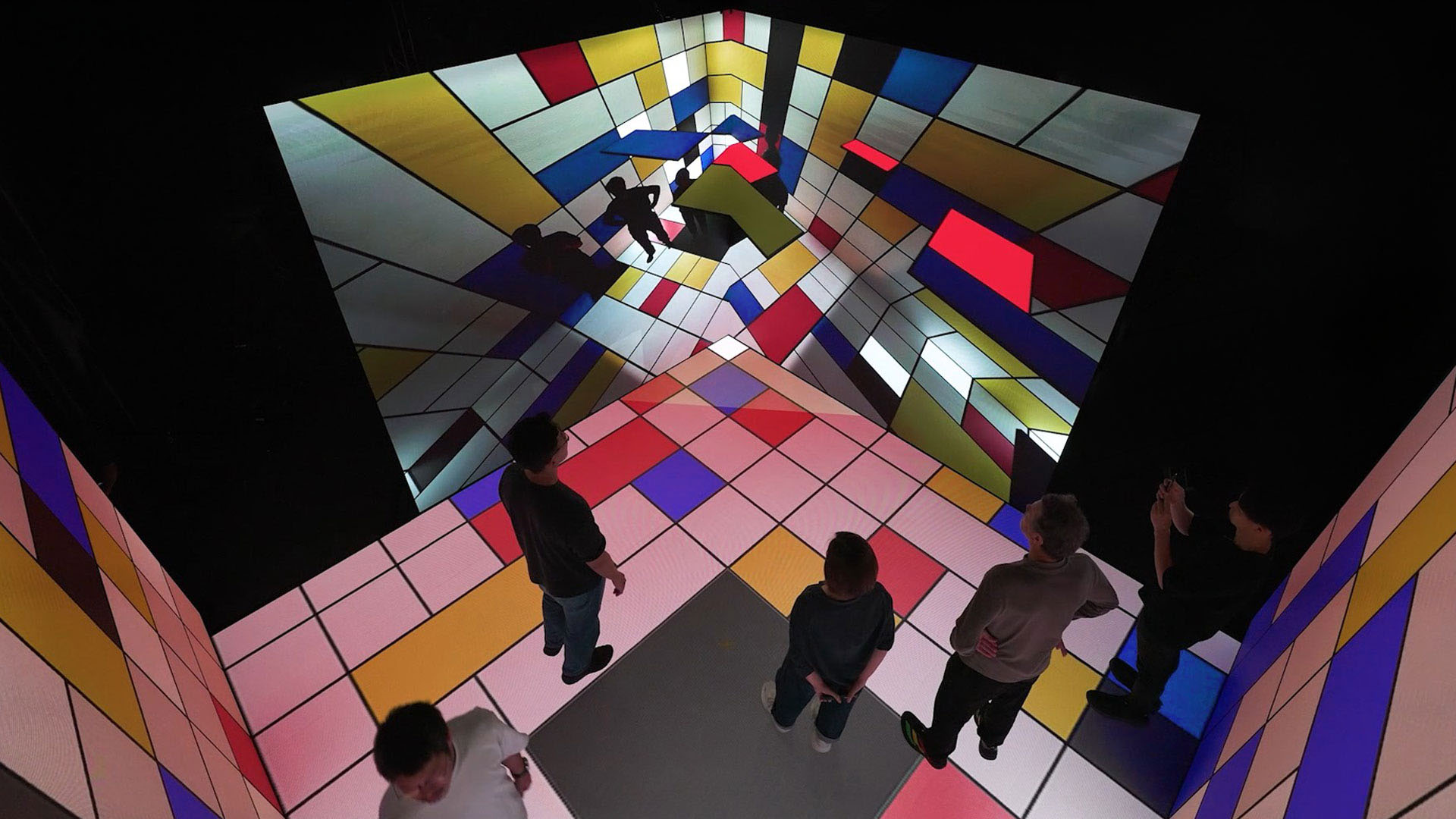
The installation's camera is mounted high above, at the corner where the two LED screen walls meet, as a reference to the mystical dimension of Malevich's work. When first exhibited, the painting was hung high in the corner of the gallery, a location traditionally reserved for religious icons in Russian homes. As in the 1915 exhibition, visitors are encouraged to look upward.
The installation's soundscape features an excerpt from the 1937 film Drôle de drame, including Jacques Prévert's famous line, performed by Louis Jouvet, « Bizarre, bizarre… », which reinforces the installation's strange and minimalist atmosphere.
Space with Yellow, Red, Black, Blue and Grey
See the preview of the installation in homage to Piet Mondrian...
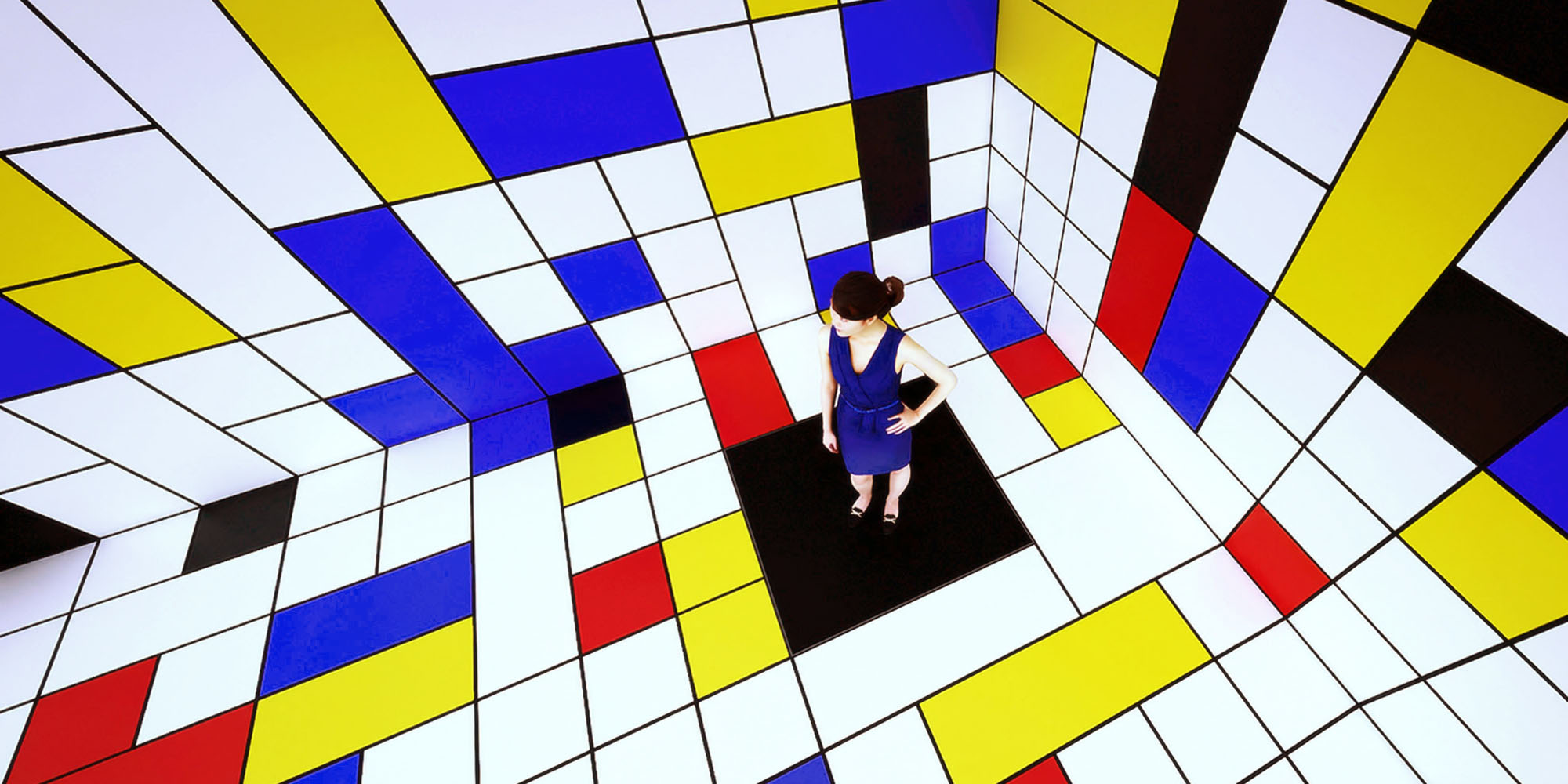
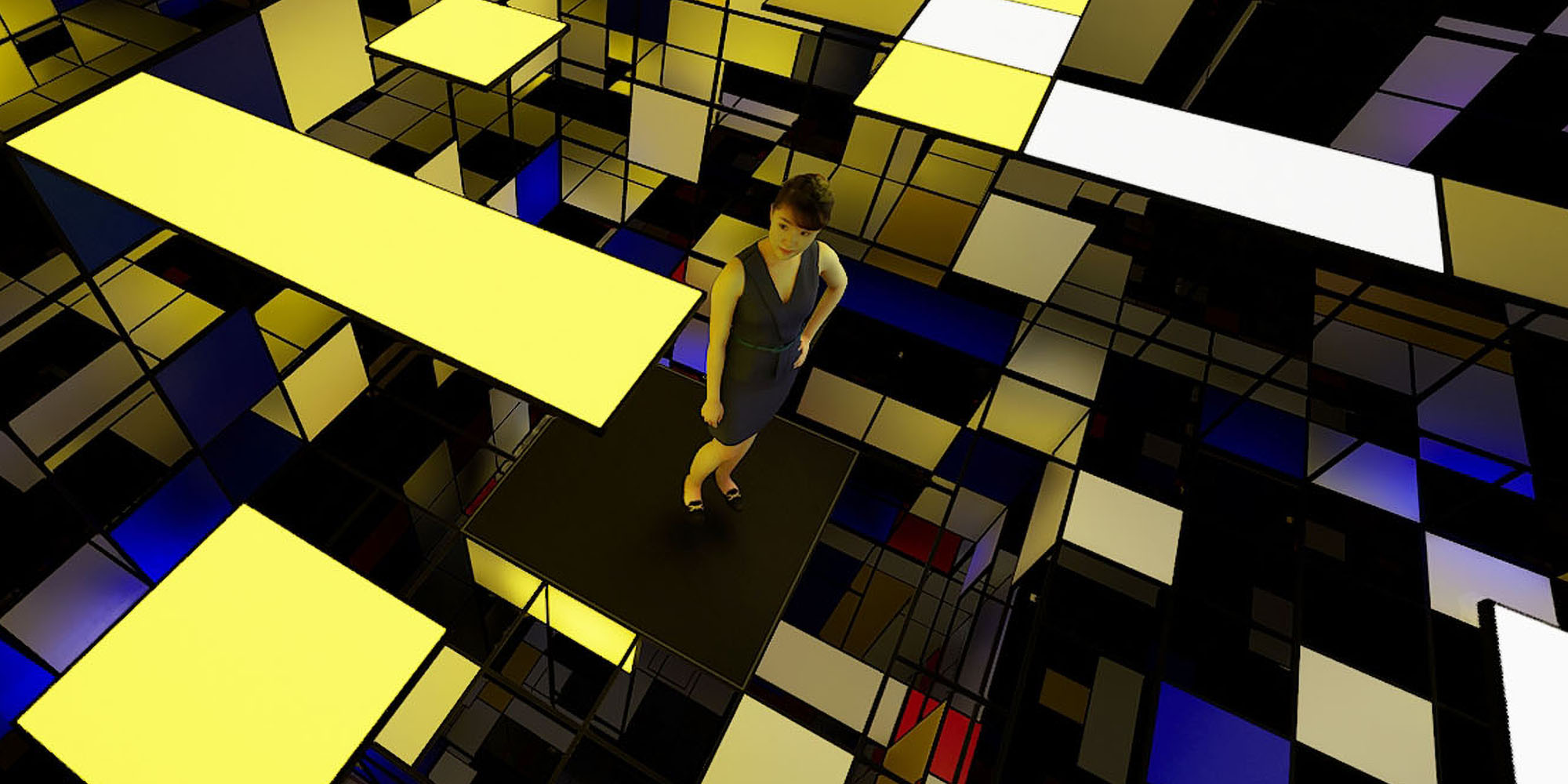
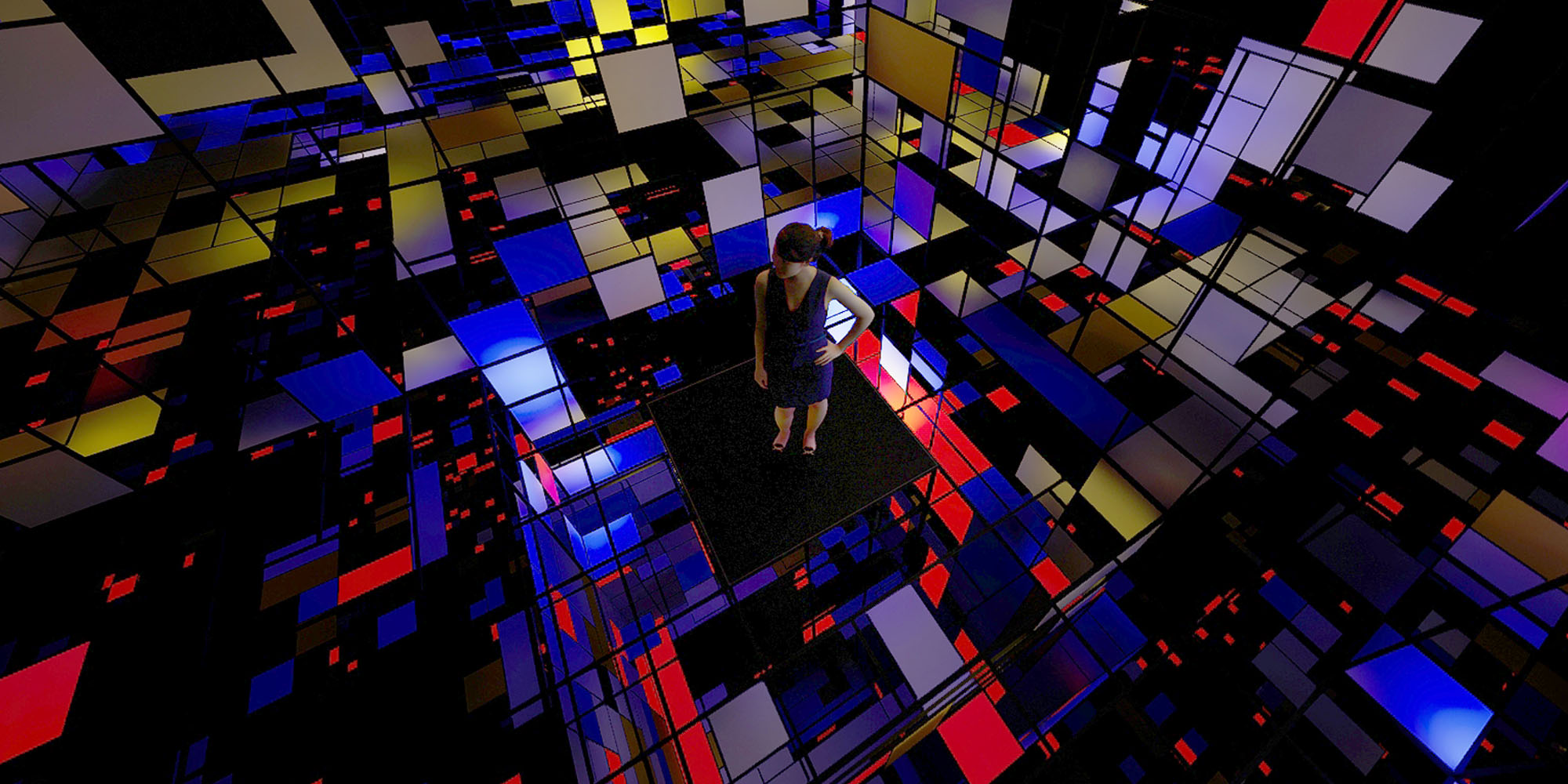
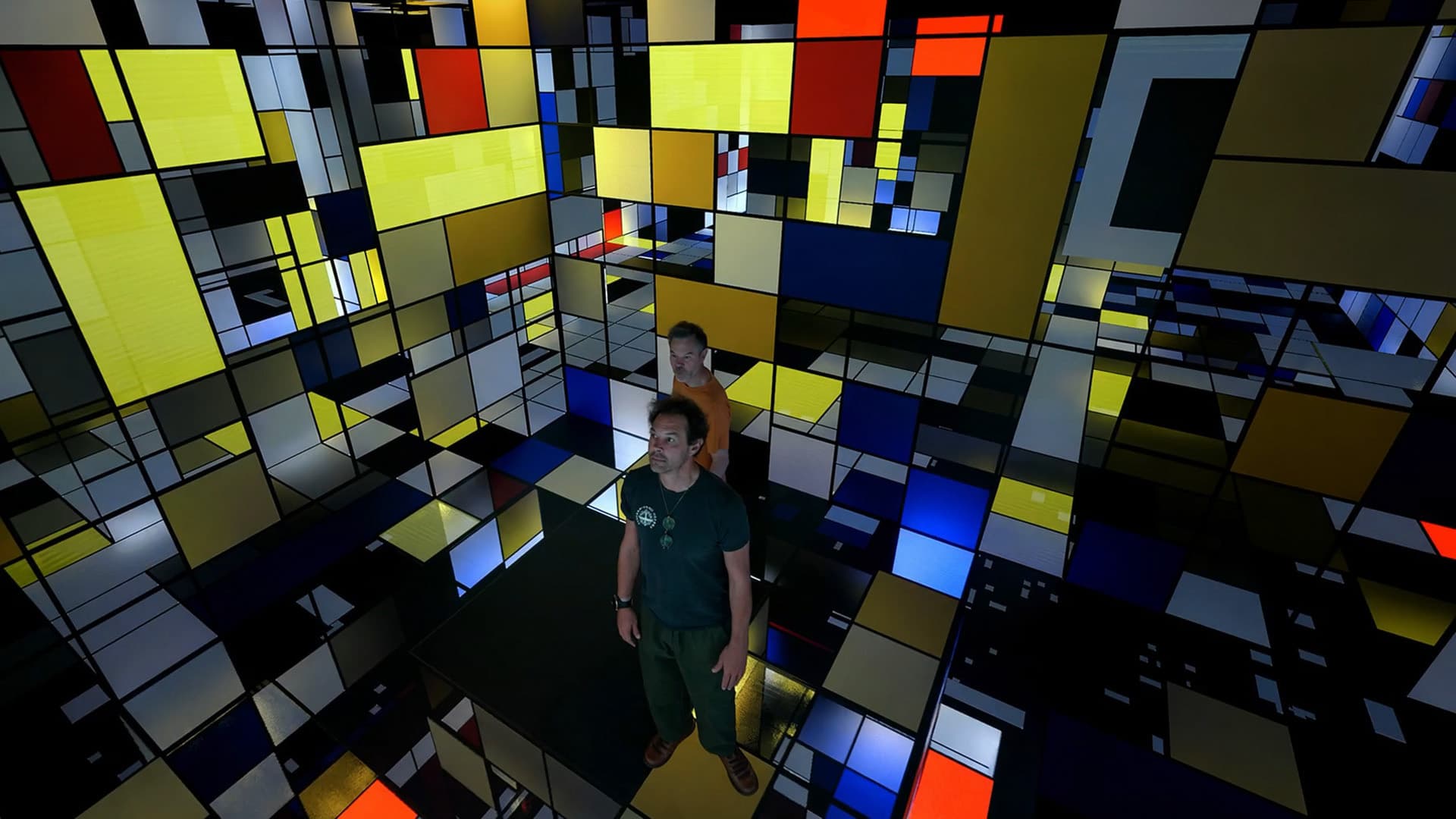
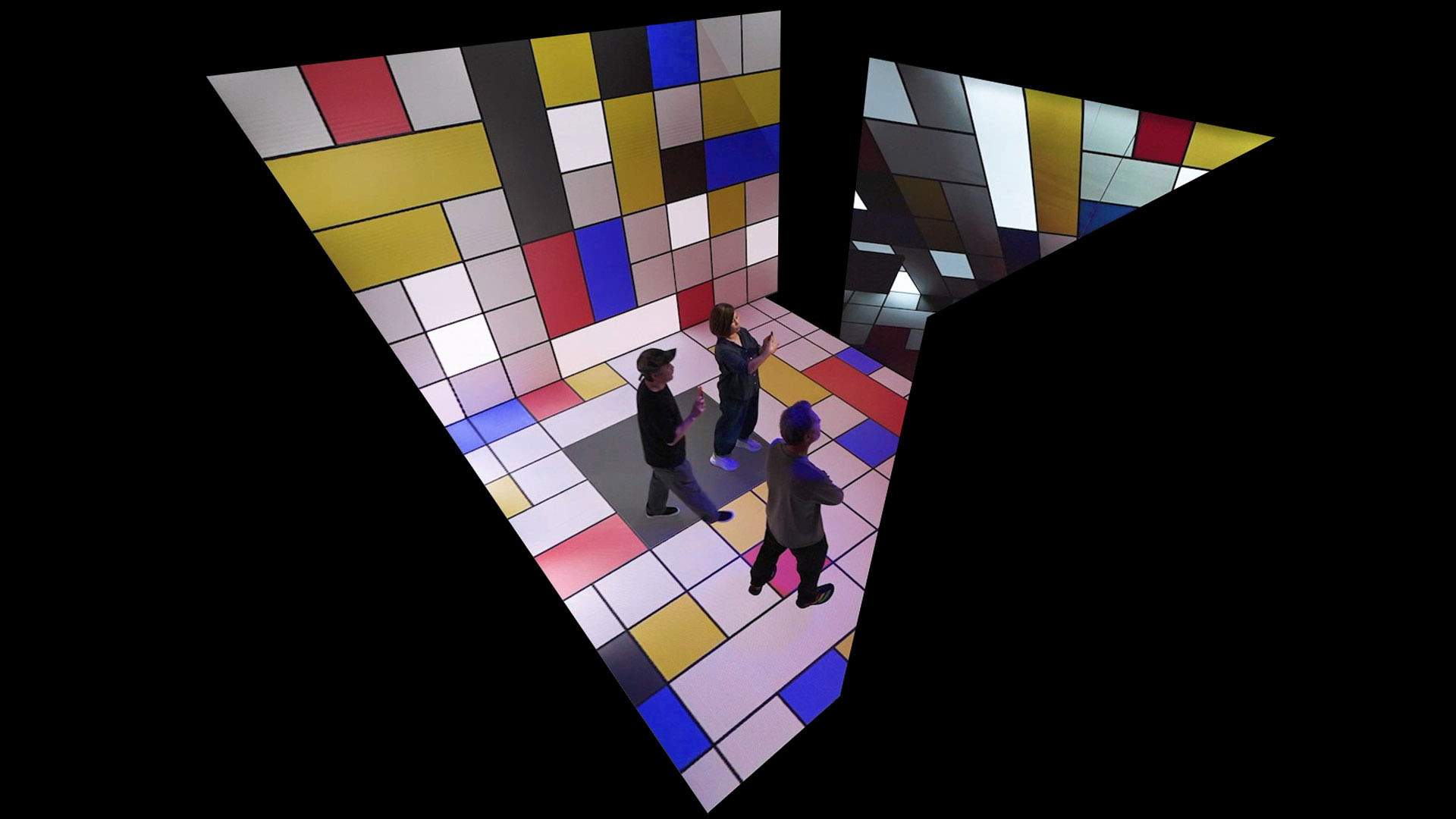
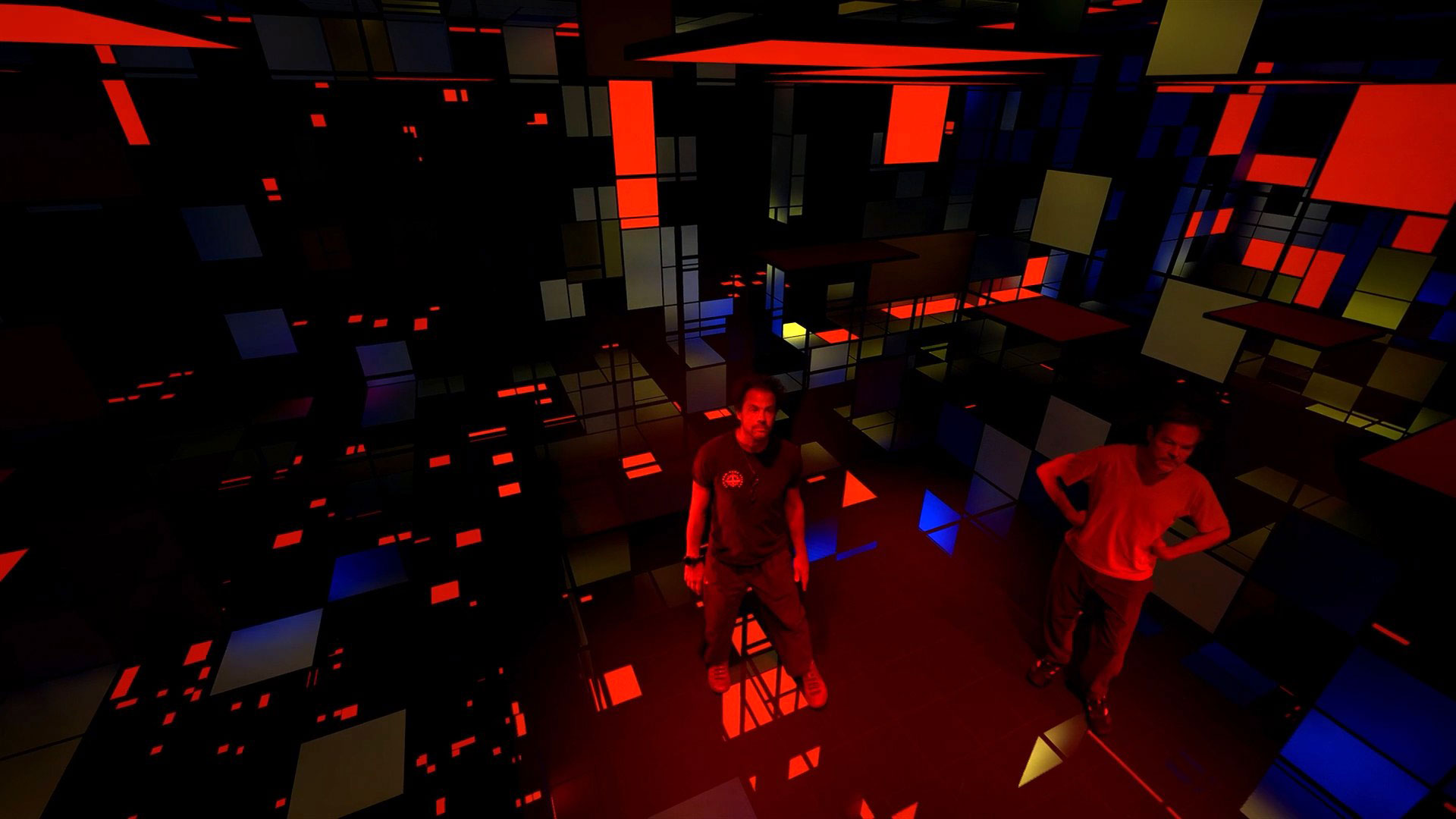
The installation in homage to Piet Mondrian invites visitors to move through a space composed of rectangular geometric forms and primary colors, red, blue, and yellow, characteristic of the artist's visual language. What initially appears to be a two-dimensional environment gradually transforms into a three-dimensional space.
Lines and planes, in constant evolution, seem to extend beyond the limits of the physical environment, creating the impression of an infinite architecture in which the visitor becomes an integral element of the composition.
Space with Yellow, Red, Black, Blue and Grey is an installation in homage to Piet Mondrian and to works such as Composition with Yellow, Red, Black, Blue and Gray (1920), composed of vertical and horizontal lines, rectangular geometric forms, and primary colors.
Piet Mondrian's visual universe suggests an architectural order, as if each composition were only a fragment of a much larger structure. The installation invites visitors to imagine the infinite space that might emerge behind these geometric forms if each of them were to disappear one after another.
The installation's soundscape features the piano piece Oiseaux tristes, composed by Maurice Ravel in 1904. Ravel explained that he intended the work to evoke “birds lost in a dark forest.”
Waltz of Shapes
See the preview of the installation in homage to Wassily Kandinsky...
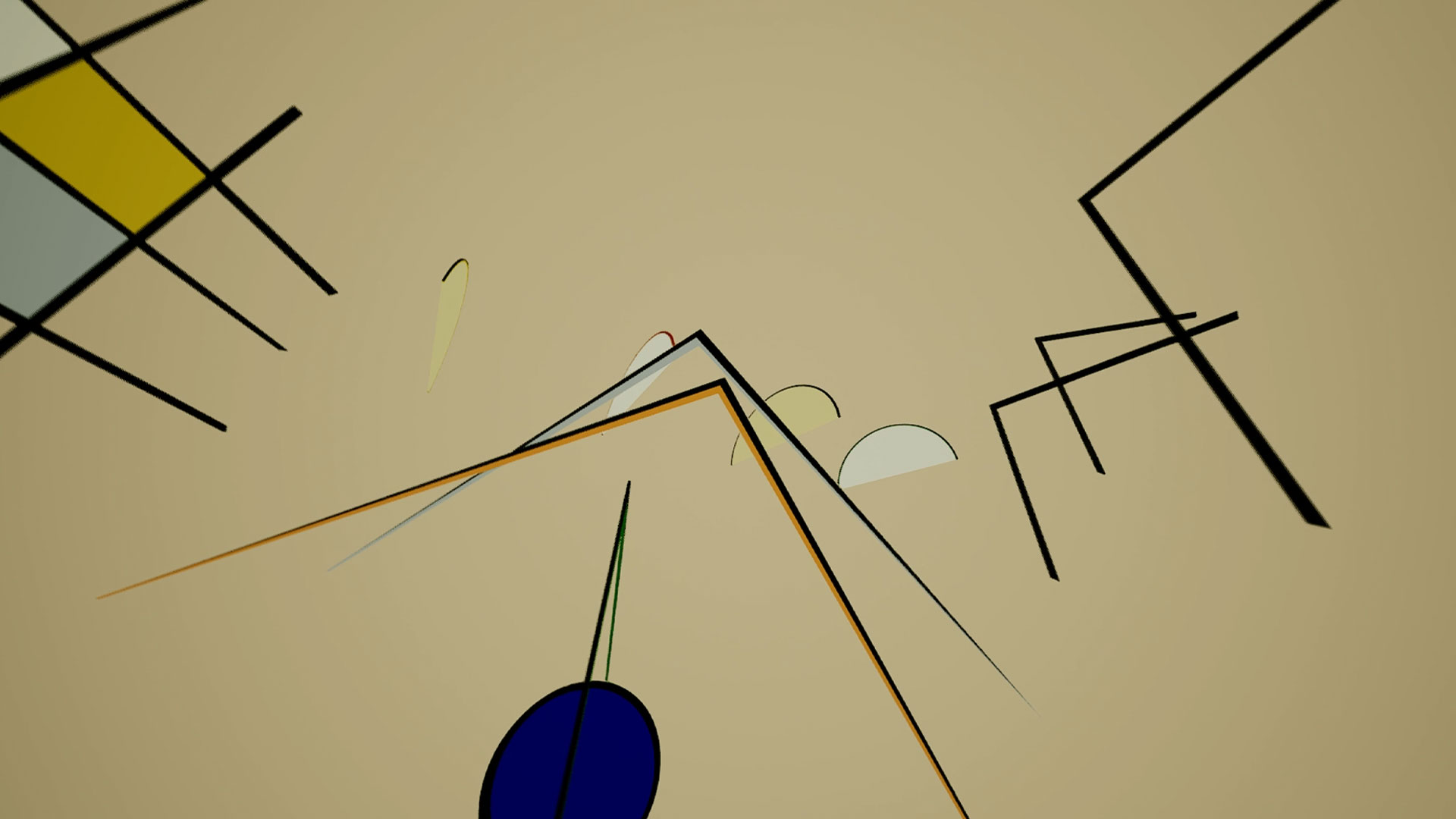
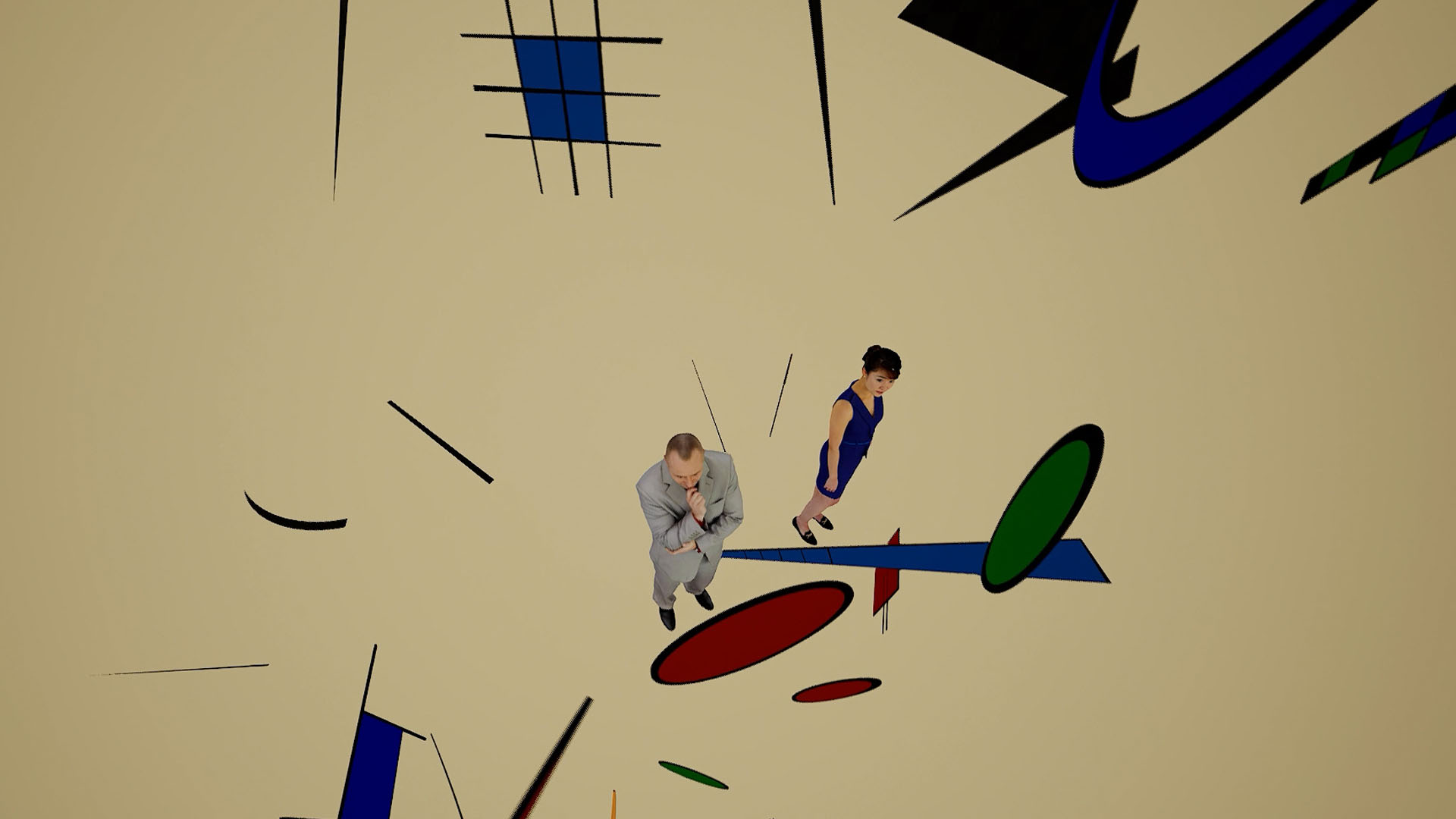
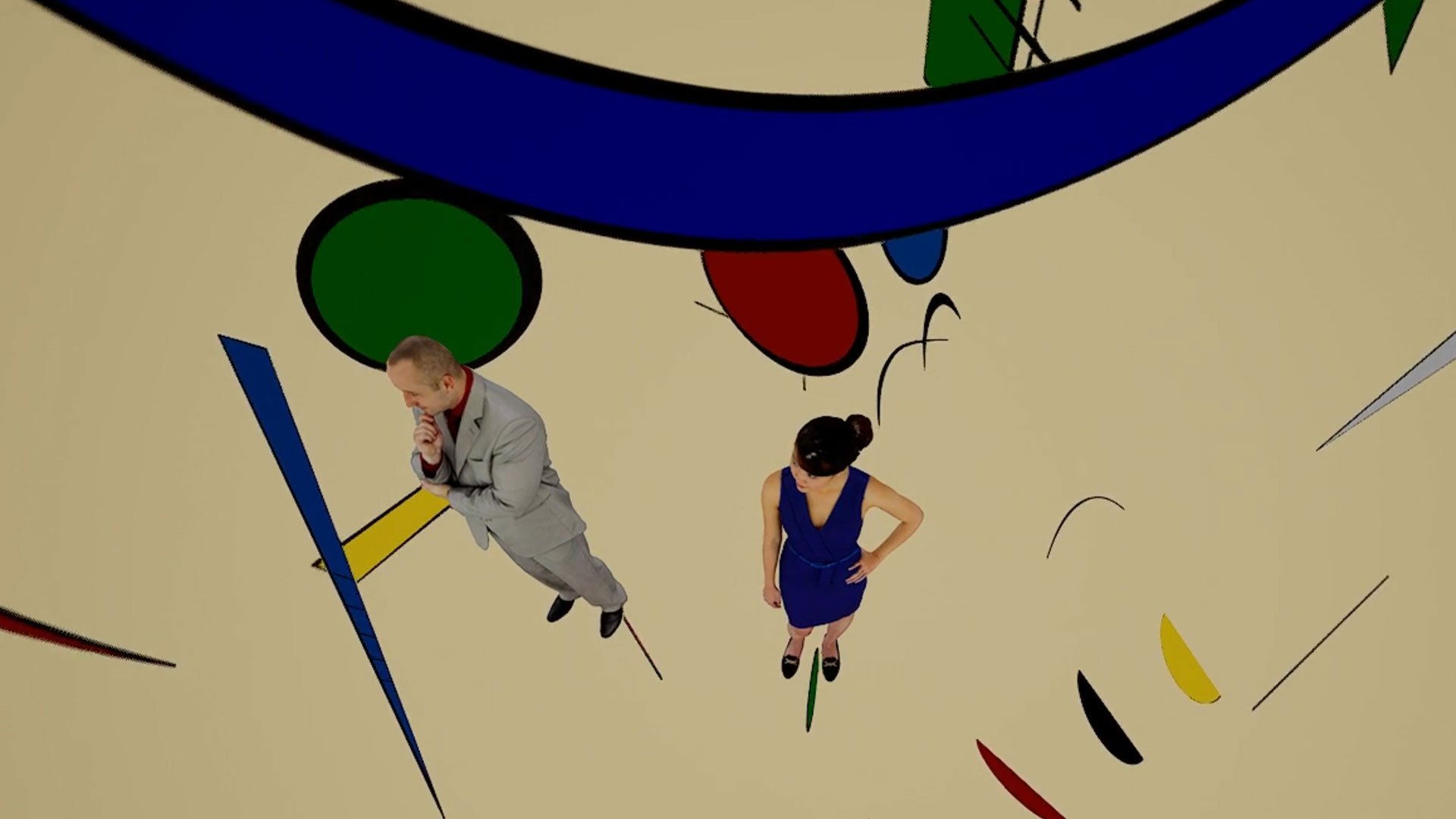
Waltz of Shapes is an installation in homage to Wassily Kandinsky and to his abstract works, particularly Composition VIII (1923). Positioned at the center of a mobile in perpetual motion, visitors themselves become elements of the installation.
The installation's soundscape features the French song Mon homme, written in 1920 by Albert Willemetz and performed by Mistinguett.
Other artists
The immersive installation Introspection aims, in time, to pay tribute to all the precursors of modern art.
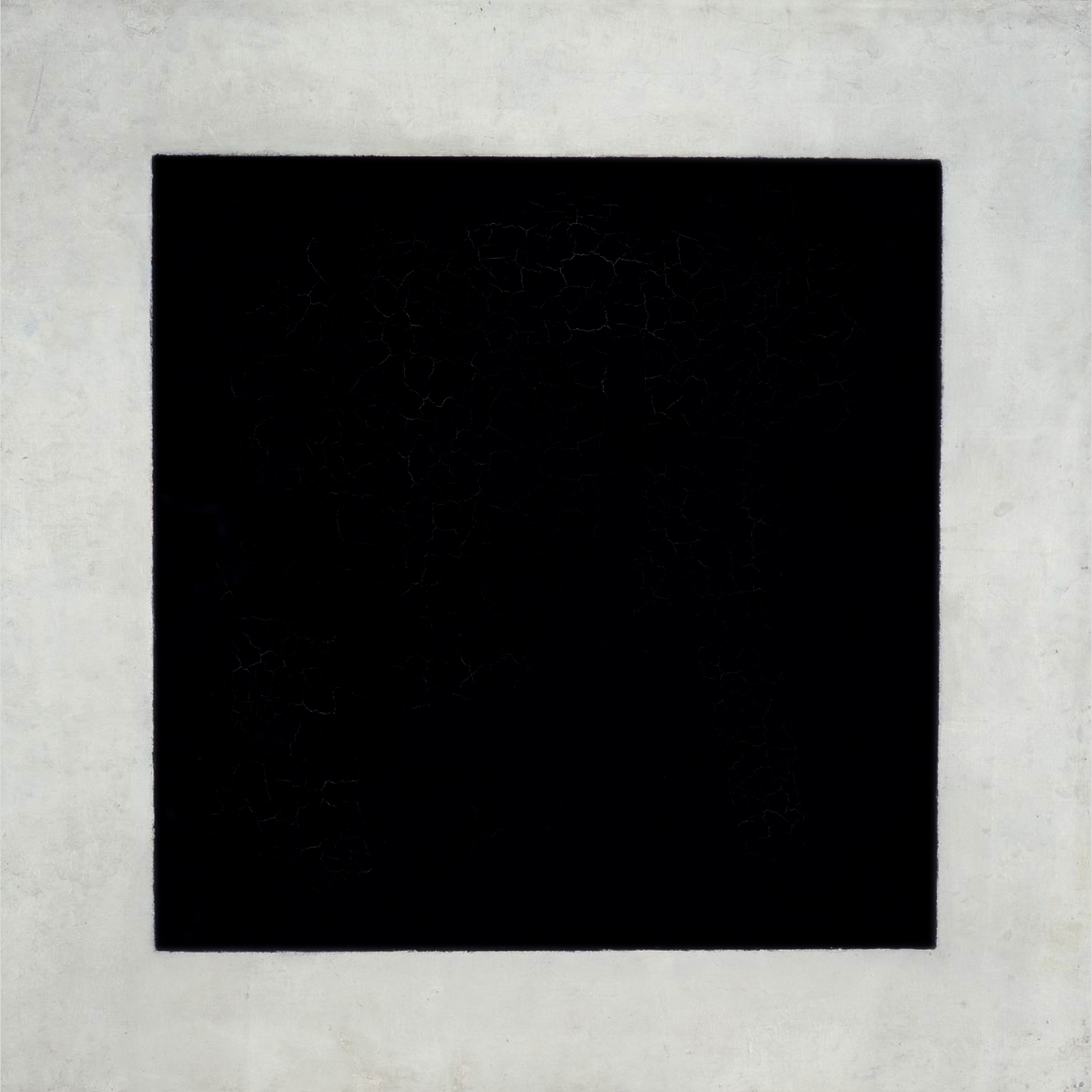
Kazimir Malevich — Black Square, 1921
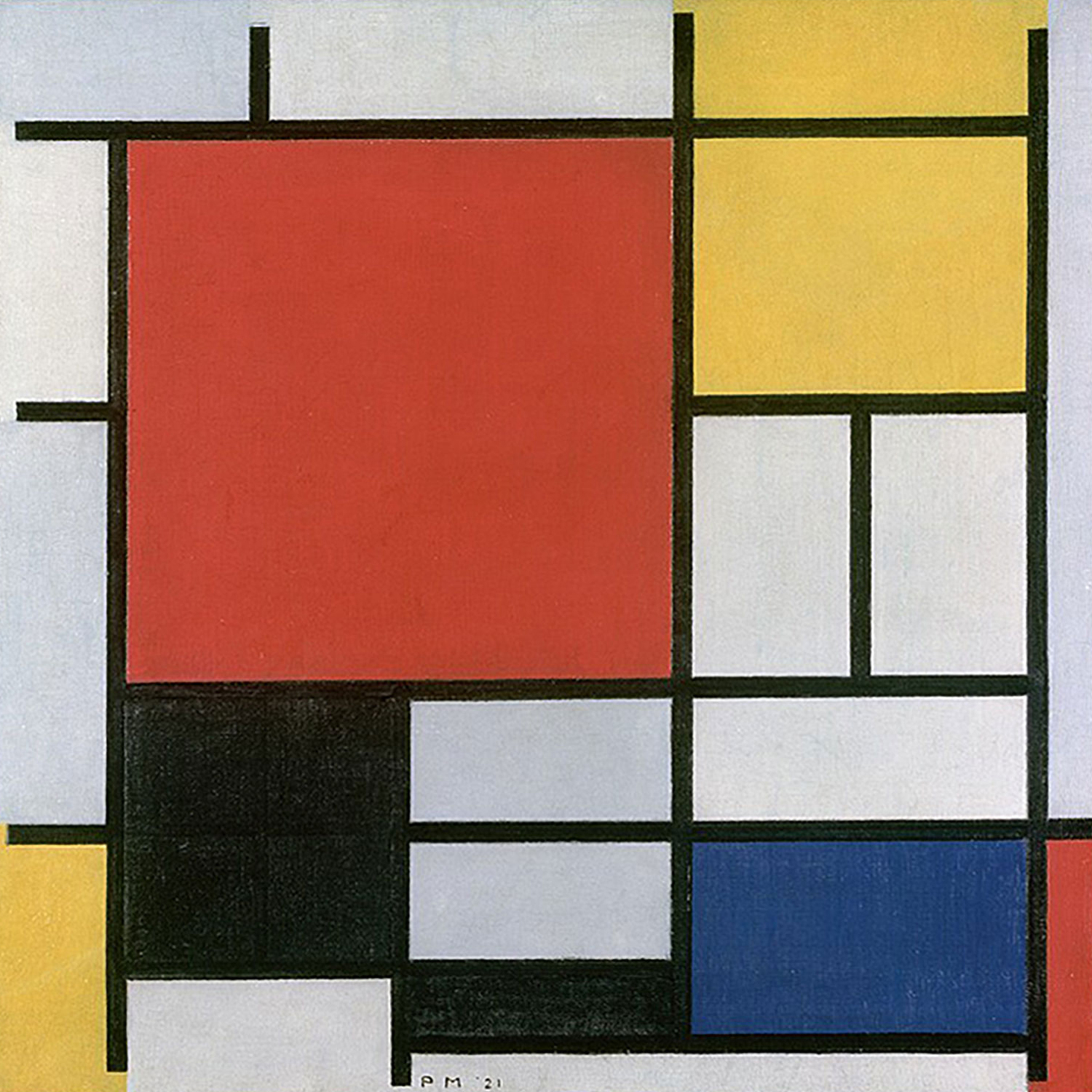
Piet Mondrian — Composition, 1921
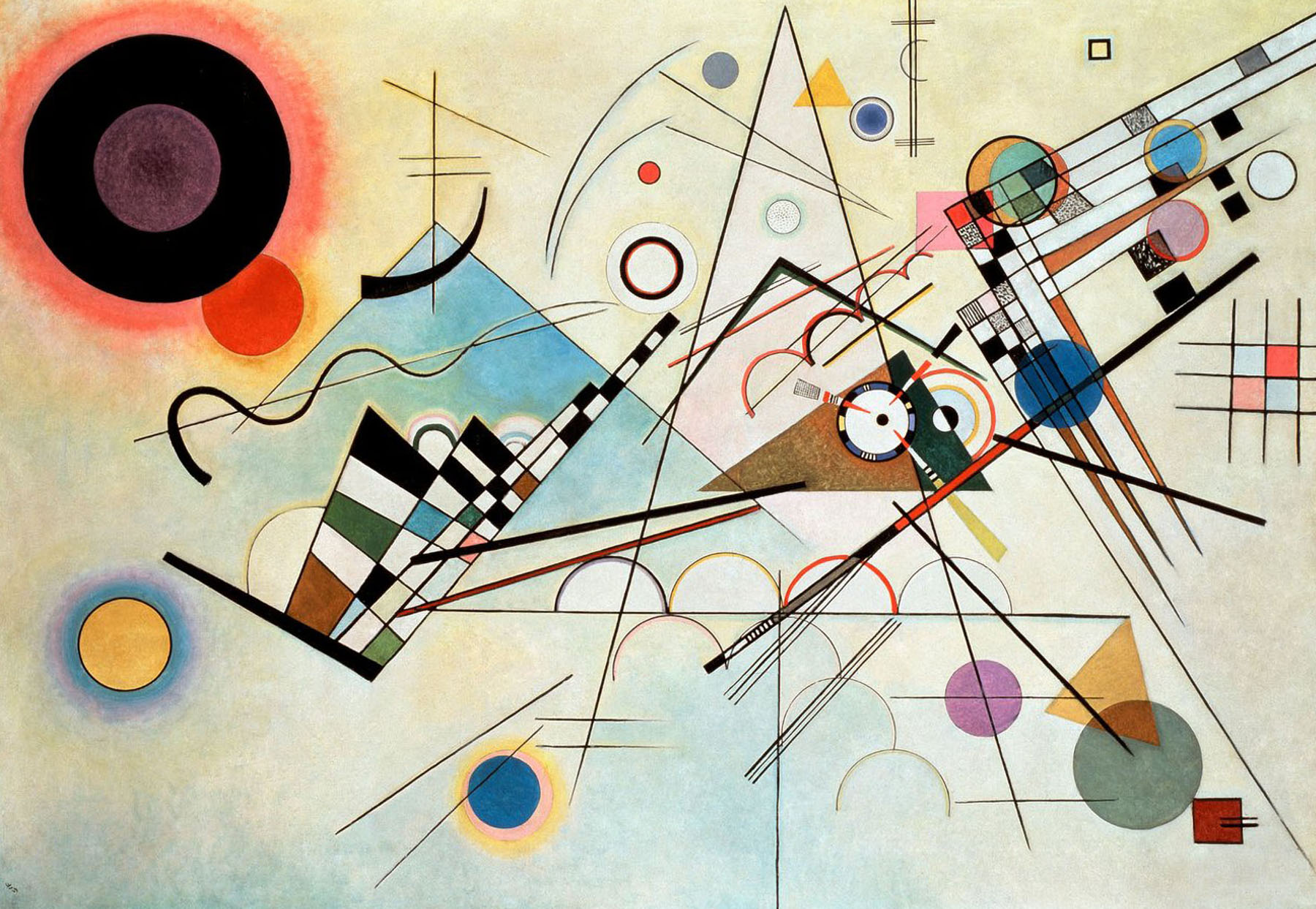
Wassily Kandinsky — Composition VIII, 1923
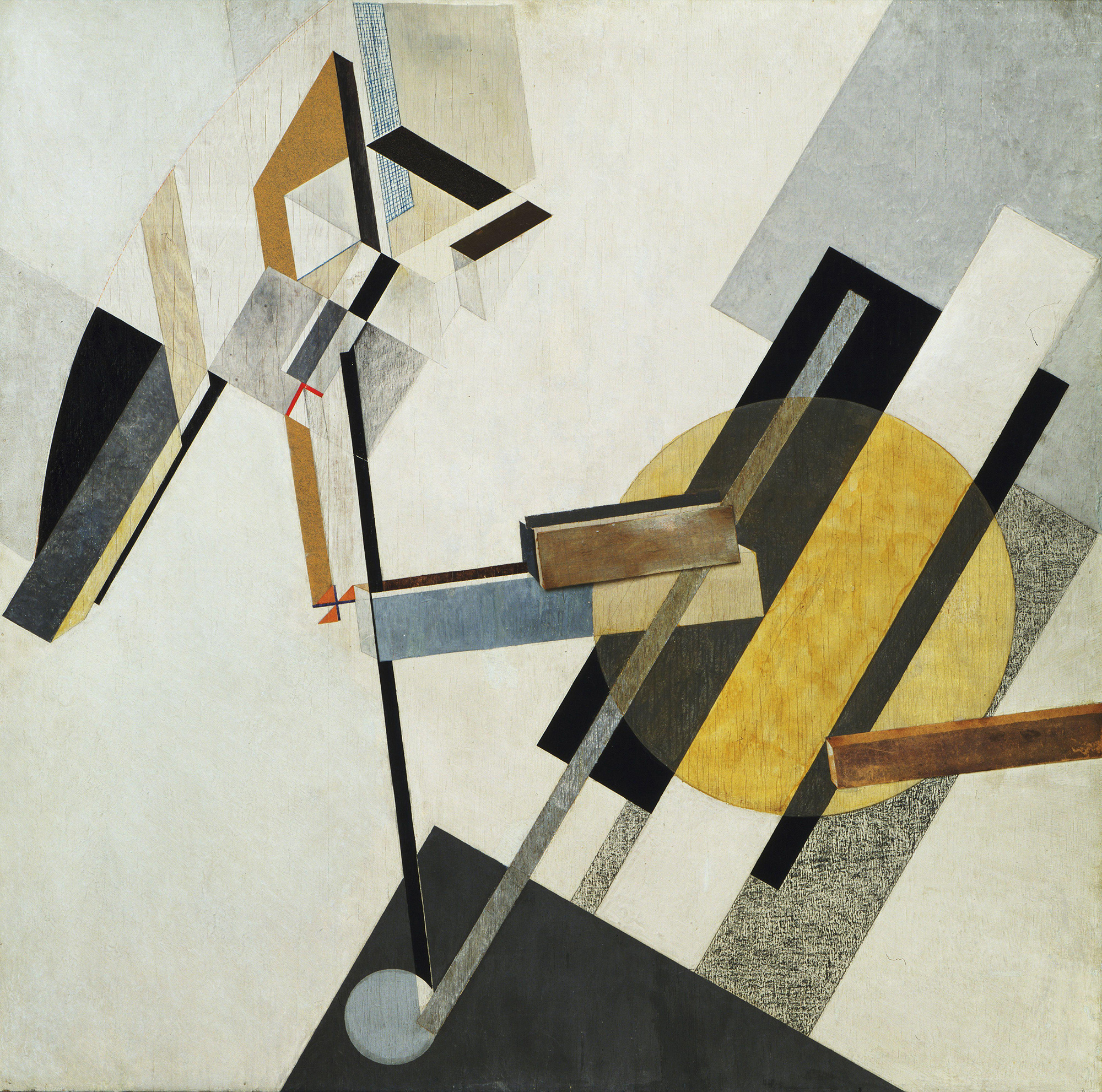
El Lissitzky — Proun 19D, 1922
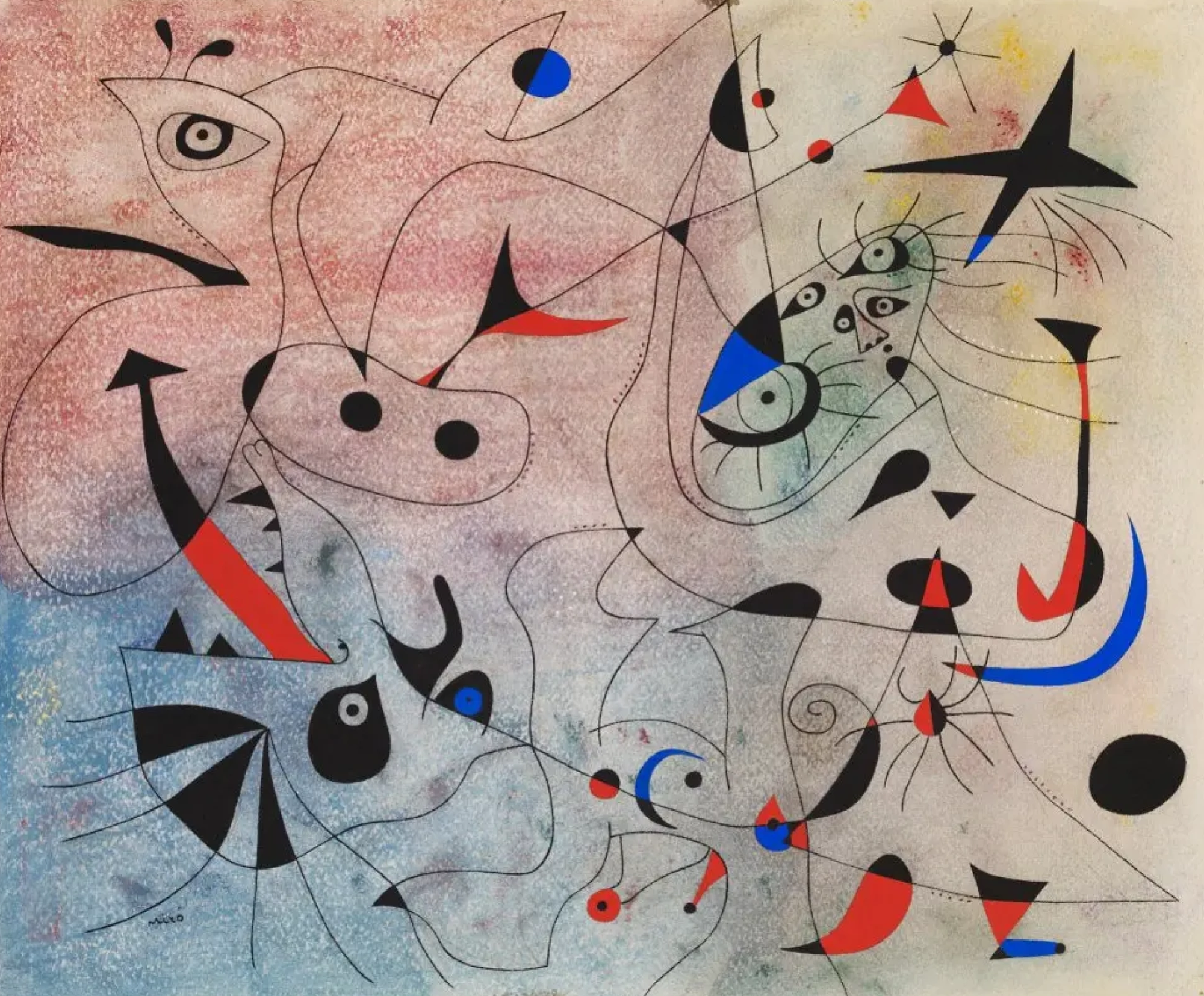
Joan Miró — The Morning Star, 1940
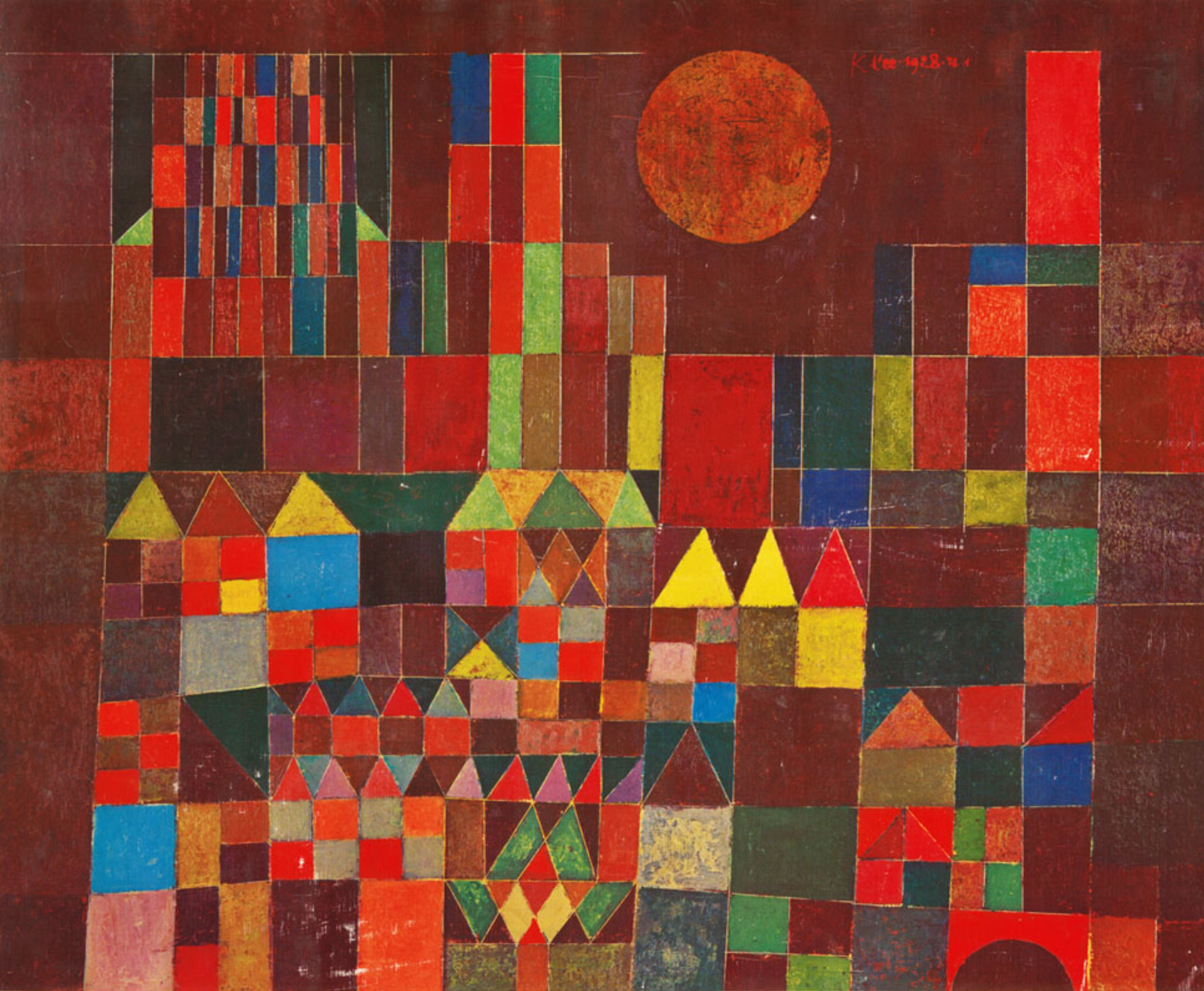
Paul Klee — Castle and Sun, 1928
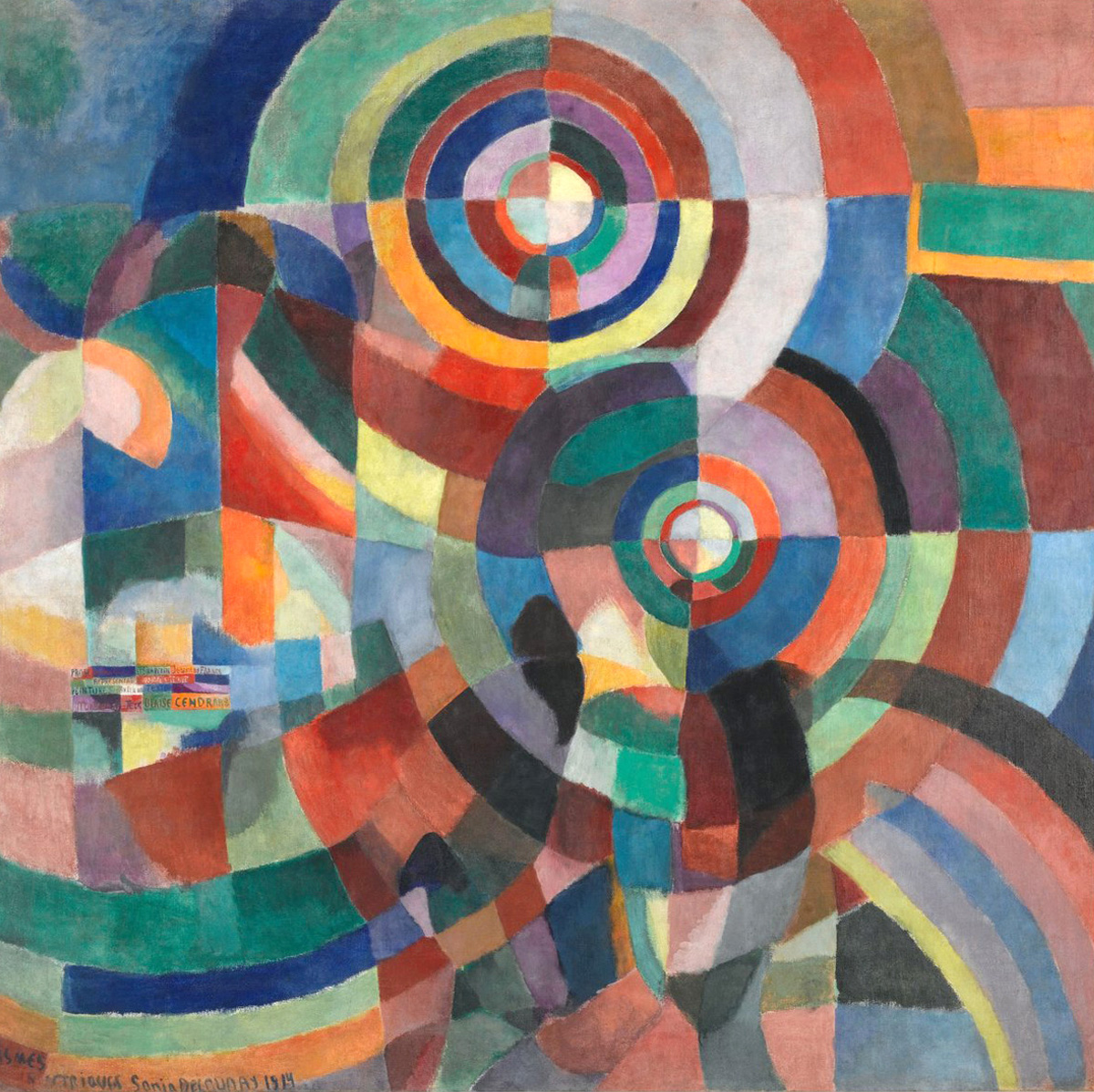
Sonia Delaunay — Prismes électriques, 1914
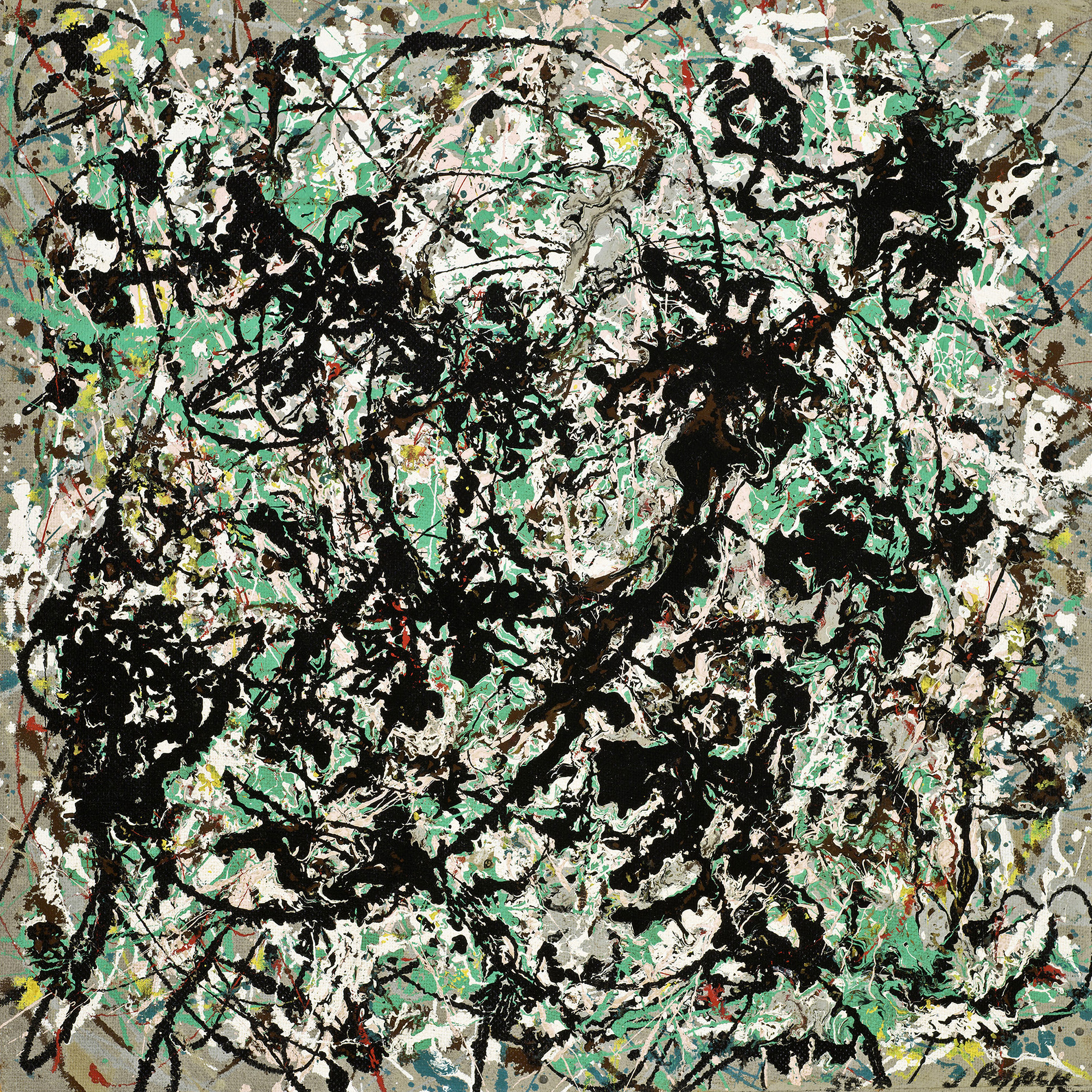
Jackson Pollock — Numéro 15, 1950
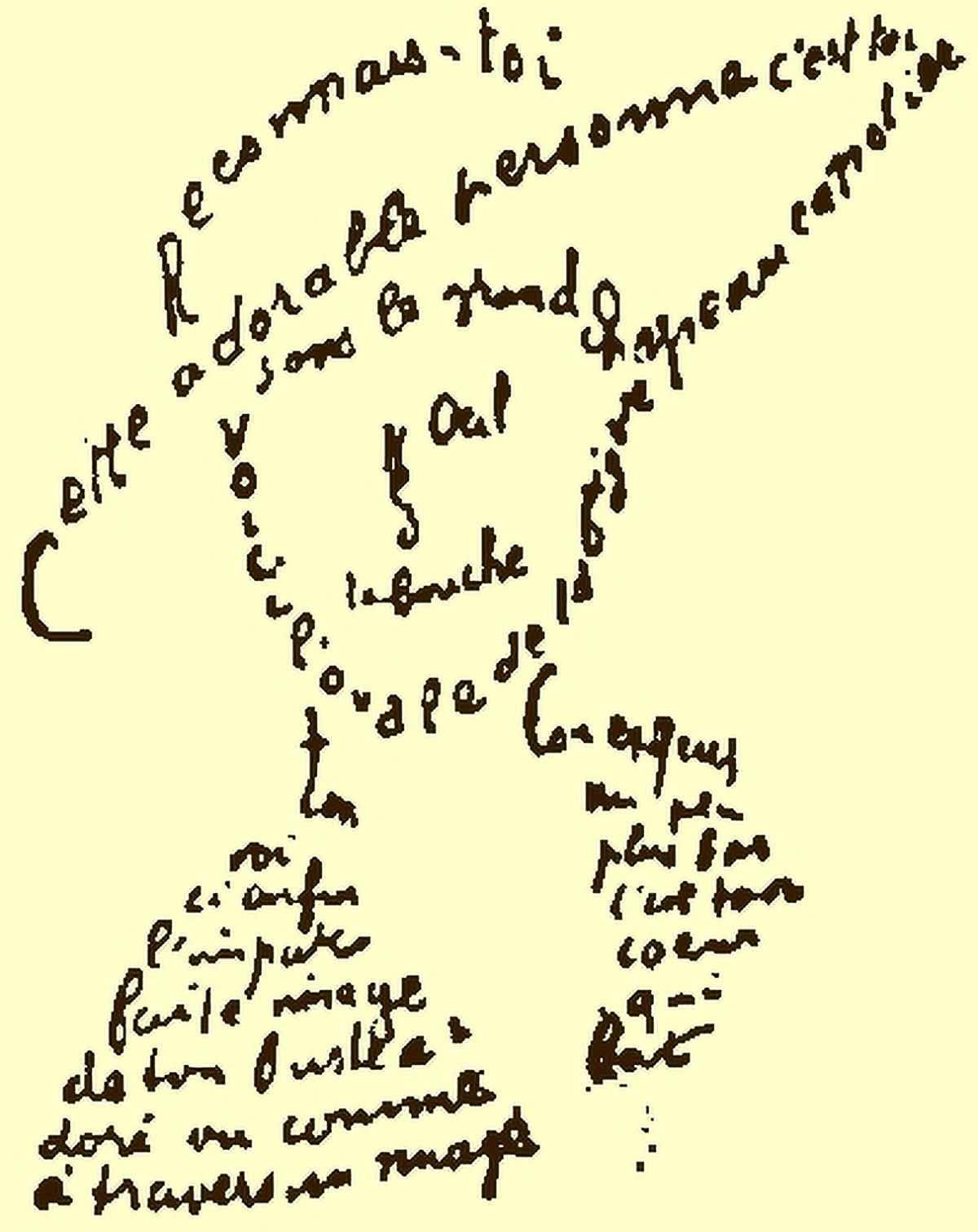
Guillaume Apollinaire — Poèmes à Lou, 1915
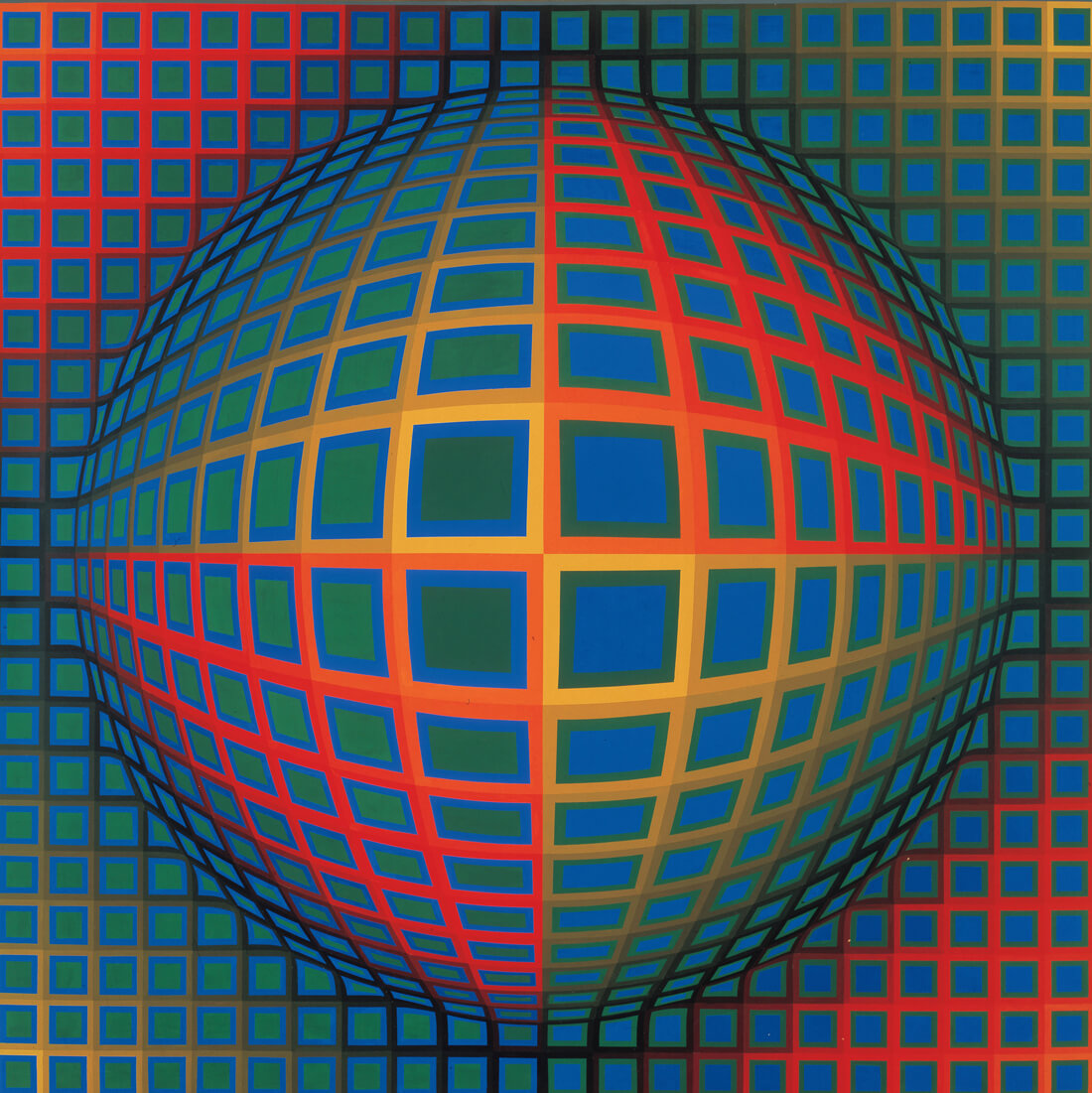
Victor Vasarely — Vega-Nor, 1969
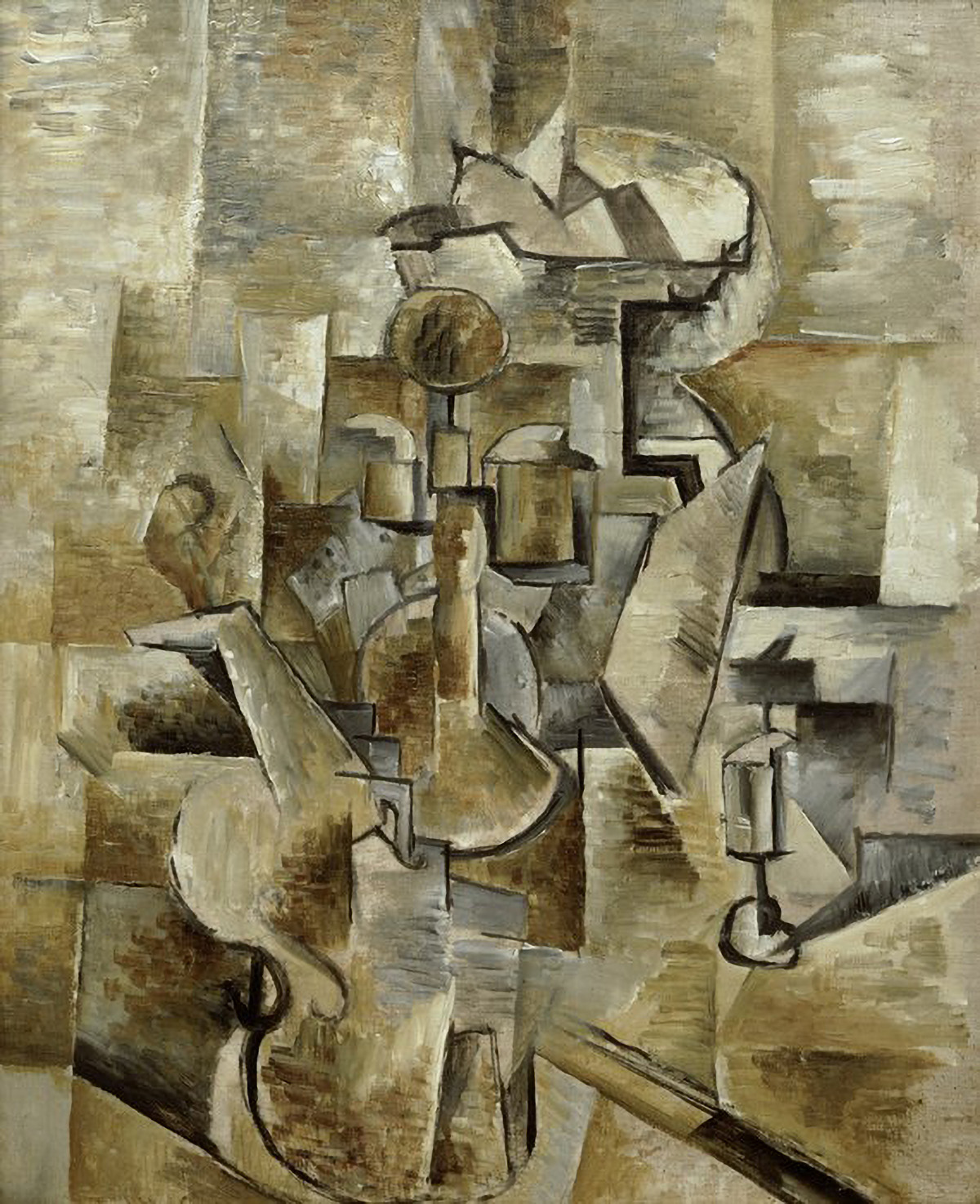
Georges Braque — Violin and Candlesticks, 1910
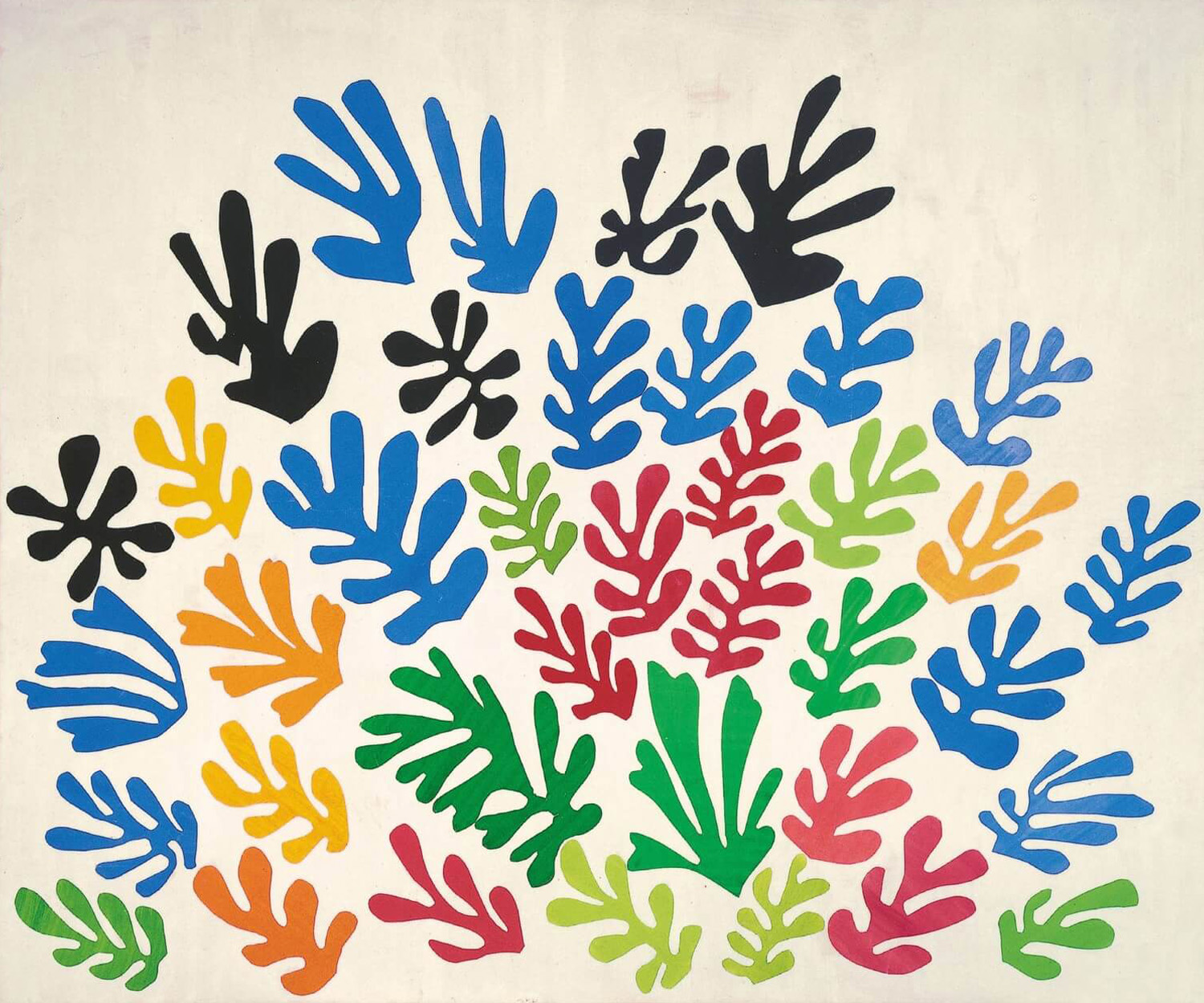
Henri Matisse — La Gerbe, 1953
Scenographic Proposal
The Disguise xR system, combined with two LED video feedback walls, forms a module that can be combined with other modules to create installations of various sizes.
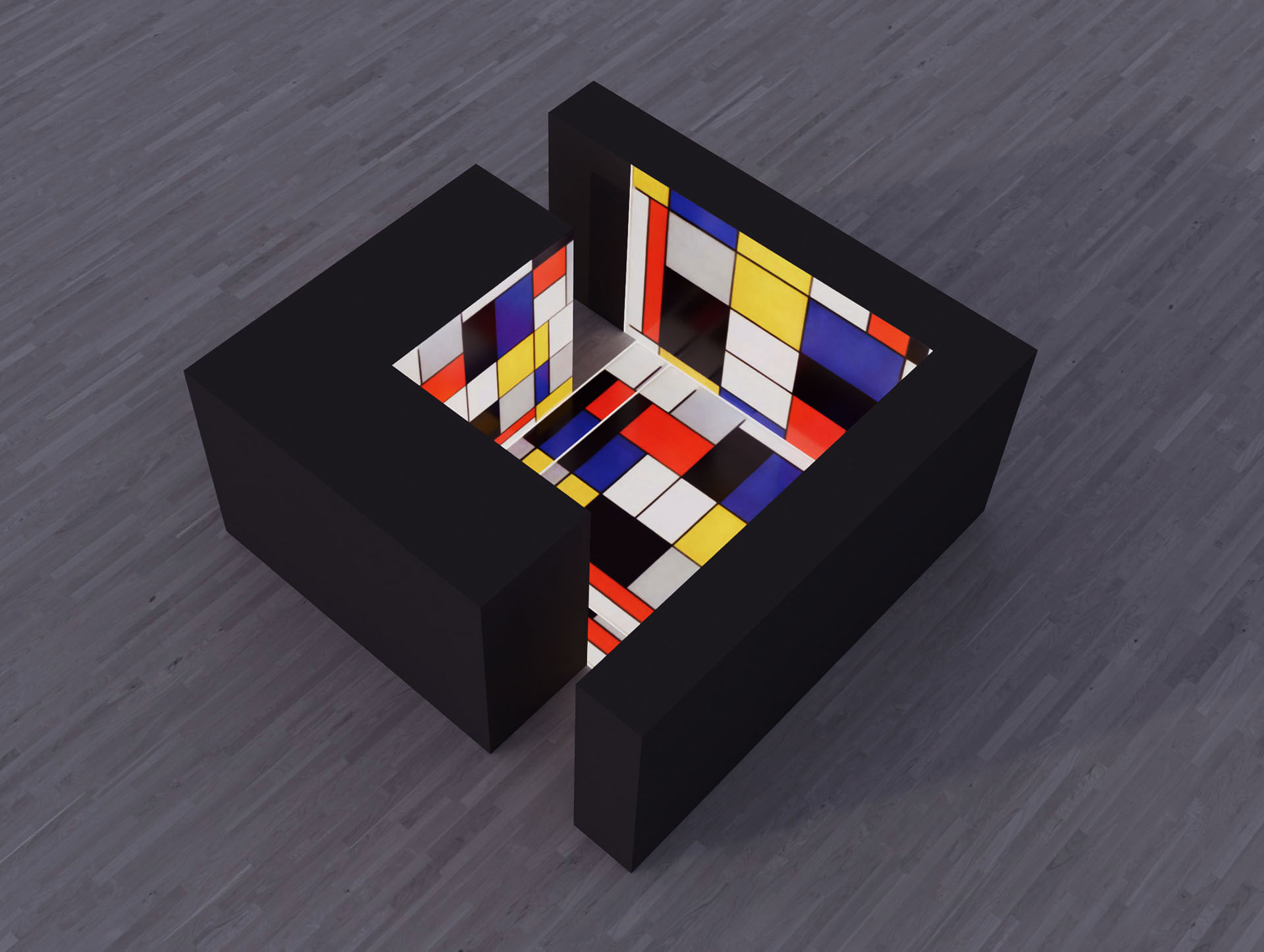
1 module
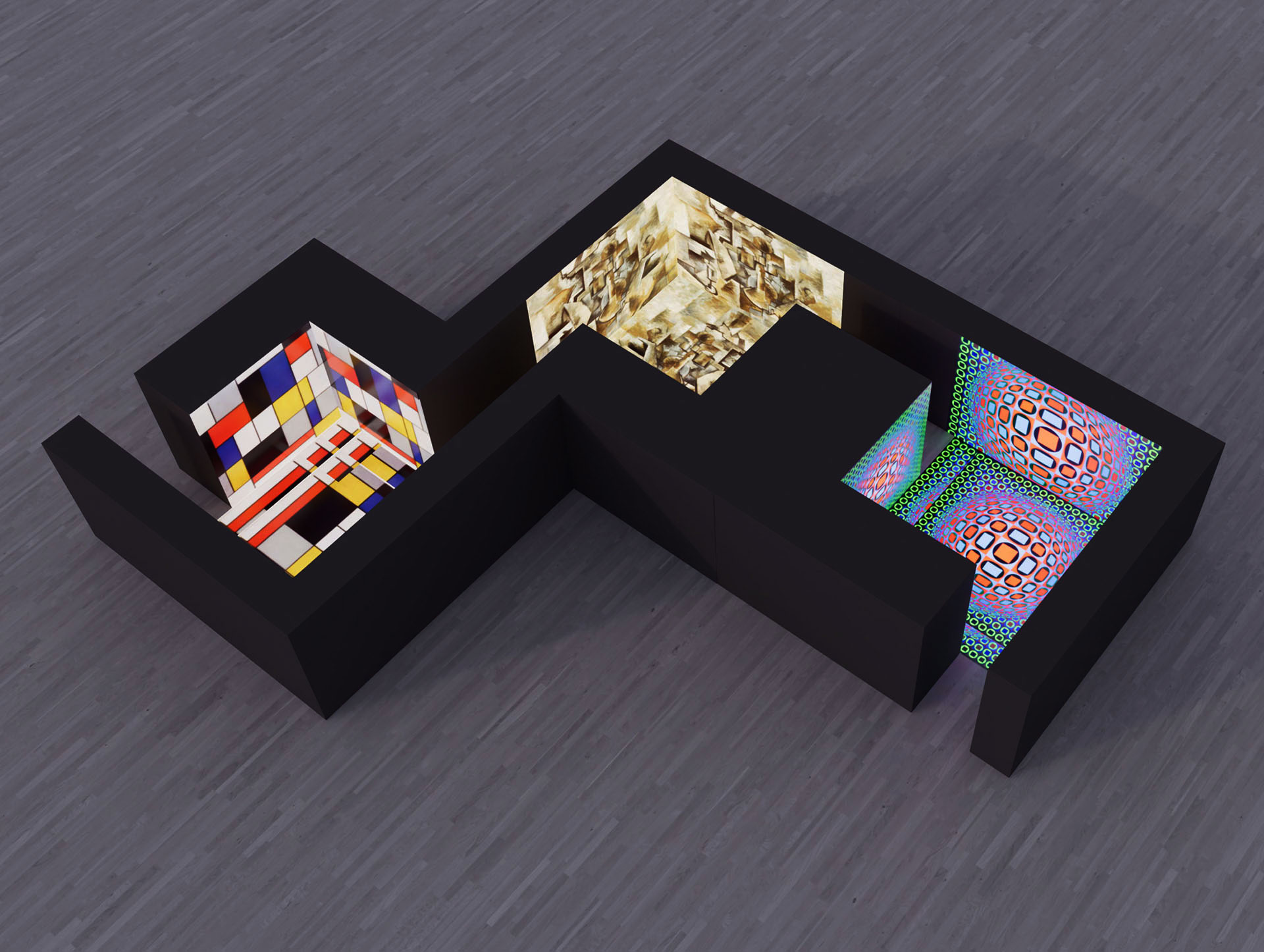
3 modules
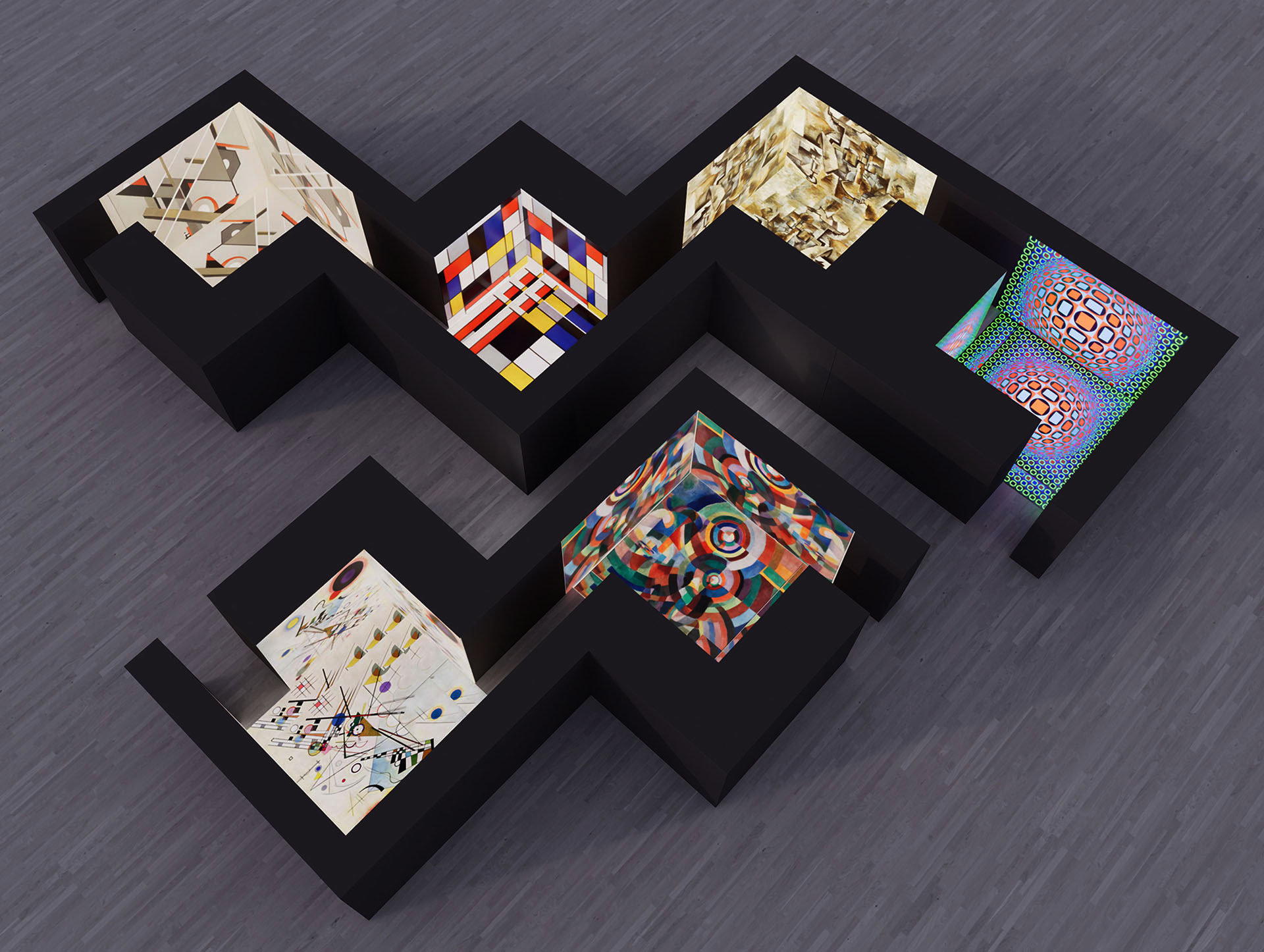
6 modules